Office productivity is less about working harder and more about working smarter.
Small changes to how you plan time, run meetings, and structure workflows multiply output while reducing stress. The following strategies help teams and individuals get more done with less friction.
Prioritize with clarity
Start each day or week by identifying a handful of most important tasks (MITs). Limit MITs to three to five items that move the needle, and schedule them into your calendar as fixed appointments. Time blocking turns an abstract to-do list into committed work periods, preventing easy tasks or reactive requests from hijacking priority work.
Protect focused work
Deep, uninterrupted focus is the foundation of high-quality output. Create dedicated focus blocks—45 to 90 minutes—with notifications muted and chat apps silenced. Use the Pomodoro technique or longer concentration windows depending on the task.
Designate a visible status (calendar or chat) so colleagues know when you’re in focus mode and when you’ll be available.
Make meetings efficient
Inefficient meetings kill momentum. Require an agenda for every meeting, invite only essential participants, and set strict time limits.
Consider standing meetings or short status huddles to keep energy high and content concise. Use shared notes and clear action items with owners and deadlines so meetings convert directly into progress.
Automate mundane tasks
Reduce repetitive work by using templates, email rules, keyboard shortcuts, and workflow integrations. Common examples: canned responses for routine emails, project templates for recurring initiatives, and calendar scheduling links to eliminate back-and-forth.
Small automations shave minutes off many daily tasks, creating significant time savings over weeks.
Standardize communication norms
Agree on communication expectations across the team: which channels are for urgent items, which are for asynchronous updates, and acceptable response windows. When everyone understands norms—such as a 24-hour email response window or using a task tool for assignment tracking—less time is wasted clarifying priorities and status.
Optimize your workspace
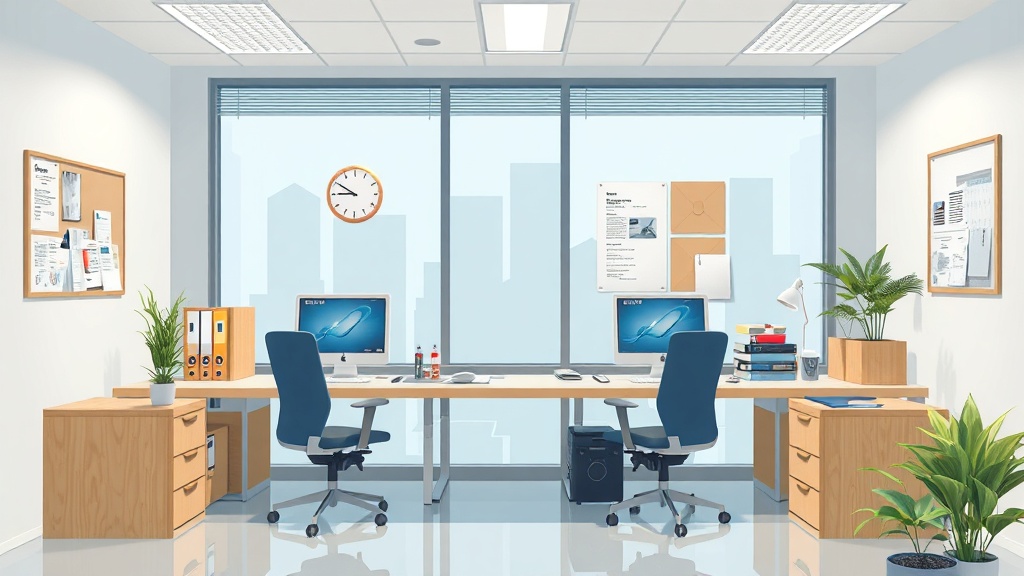
A well-designed workspace supports focus and comfort.
Prioritize ergonomic seating, monitor height, and lighting to reduce fatigue. Add a plant or natural light where possible to improve mood and focus. For people who alternate between sitting and standing, a height-adjustable desk can reduce stiffness and boost alertness.
Schedule regular reviews
Implement a weekly review to close loops: clear inboxes, update task lists, and reflect on what worked and what didn’t.
Use simple metrics—like cycle time on tasks or number of context switches—to identify bottlenecks. Continuous small adjustments prevent minor inefficiencies from becoming entrenched habits.
Protect energy, not just time
Productivity depends on cognitive and physical energy. Build short breaks into the day—brief walks, eye-resting routines, or hydration pauses—to sustain attention. Encourage realistic workloads and buffer time between meetings to avoid back-to-back exhaustion. Sustainable productivity is a balance between output and recovery.
Start with one change
Pick one strategy to implement this week—time blocking, meeting agendas, or a simple automation—and measure its impact.
Gradual adoption of better habits creates cultural momentum and avoids disruption.
Over time, these practical shifts produce a quieter inbox, clearer priorities, and more meaningful work completed with less stress.
Leave a Reply