Office productivity has shifted from hours-clocked to outcomes-driven work. With hybrid schedules, constant notifications, and overflowing inboxes, team efficiency depends less on hard work and more on deliberate systems that protect focus, reduce friction, and automate repetitive tasks.
Start with energy and time, not just tasks
Working smarter begins by matching tasks to natural energy cycles. Schedule demanding, creative work during peak focus periods and reserve low-energy stretches for administrative tasks. Time blocking—reserving uninterrupted calendar sections for specific work types—turns vague to-do lists into predictable progress. Protect those blocks by marking them as “focus” and using brief status notes for colleagues who need updates.
Rethink meetings for real work
Meetings consume a large part of office time. Make each one count by posting an agenda, desired outcome, and required attendees beforehand.
Consider shorter default meetings and experiment with standing briefs or asynchronous updates. Adopt no-meeting blocks or days to give teams stretches of uninterrupted time for deep work.
Tame the inbox with simple rules
Email overload drains attention. Apply triage rules: delete or archive what’s irrelevant, respond to anything that takes two minutes or less, and defer larger items into a dedicated follow-up list. Use folders, labels, and saved searches to surface priority messages. Email templates and canned responses reduce repetitive typing and speed approvals.
Automate repetitive work
Automation eliminates busywork and reduces error. Use calendar scheduling tools to avoid back-and-forth meeting strings, set up recurring workflows for approvals, and link apps with automation platforms to move data between systems automatically.
Small automations—like creating tasks from flagged messages or auto-filling common forms—save minutes that add up across weeks.
Choose tools that amplify collaboration
Tool overload is real. Standardize on a small set of platforms for documents, task tracking, and communication so files and information are easy to find. Centralize documentation in a searchable knowledge base and use task managers that match team workflows—kanban for visual flow, lists for linear projects, or boards for cross-functional work. Keep communication channels purpose-driven: instant chat for quick clarifications, email for formal correspondence, and shared docs for collaborative drafting.
Optimize your workspace and habits
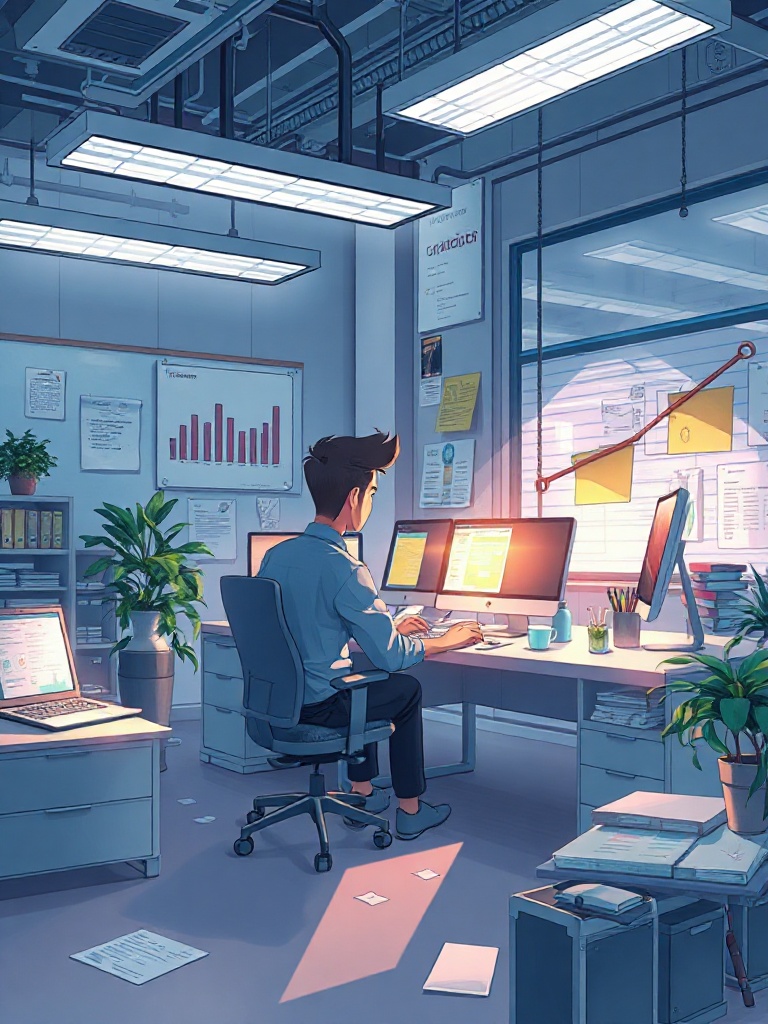
Physical and digital clutter both hamper focus. Keep a tidy desk, invest in ergonomic equipment, and use dual monitors or virtual desktops to reduce switching costs. Apply keyboard shortcuts, templates, and text expansion tools to speed common tasks. Build microbreaks into the day to reset posture and attention—short walks, eye exercises, or breathing techniques preserve long-term productivity.
Measure outcomes, not attendance
Shift evaluation toward deliverables, deadlines met, and customer or stakeholder satisfaction.
Regular check-ins that review completed work and blockers encourage accountability without policing hours. Visual project dashboards help teams and leaders see progress and reallocate resources faster.
Start small, iterate fast
Pick one productivity habit—time blocking, an inbox rule, a recurring automation—and test it for a week. Gather feedback, measure impact, and refine.
Productivity gains compound: small, repeatable improvements in process and communication yield significant time reclaimed across teams.
A focus on energy management, intentional communication, practical automation, and disciplined meeting design creates the conditions for sustained productivity. When systems reduce friction, people can spend more time on work that matters.
Leave a Reply