Remote work trends keep evolving as companies and people refine what flexibility actually means. Organizations that treat remote work as a short-term fix often fall behind; those that design policies, systems, and culture around distributed teams gain talent, reduce churn, and unlock productivity. Here are the most influential trends shaping remote work today — and practical steps to put them to work.
Hybrid-first, not hybrid-only
Many employers are moving beyond rigid in-office mandates toward hybrid-first models that prioritize flexibility while preserving team cohesion. Successful hybrid strategies define which roles require physical presence, set clear expectations for in-office days, and provide equitable access to information and career opportunities for both remote and on-site staff.
Asynchronous work becomes standard
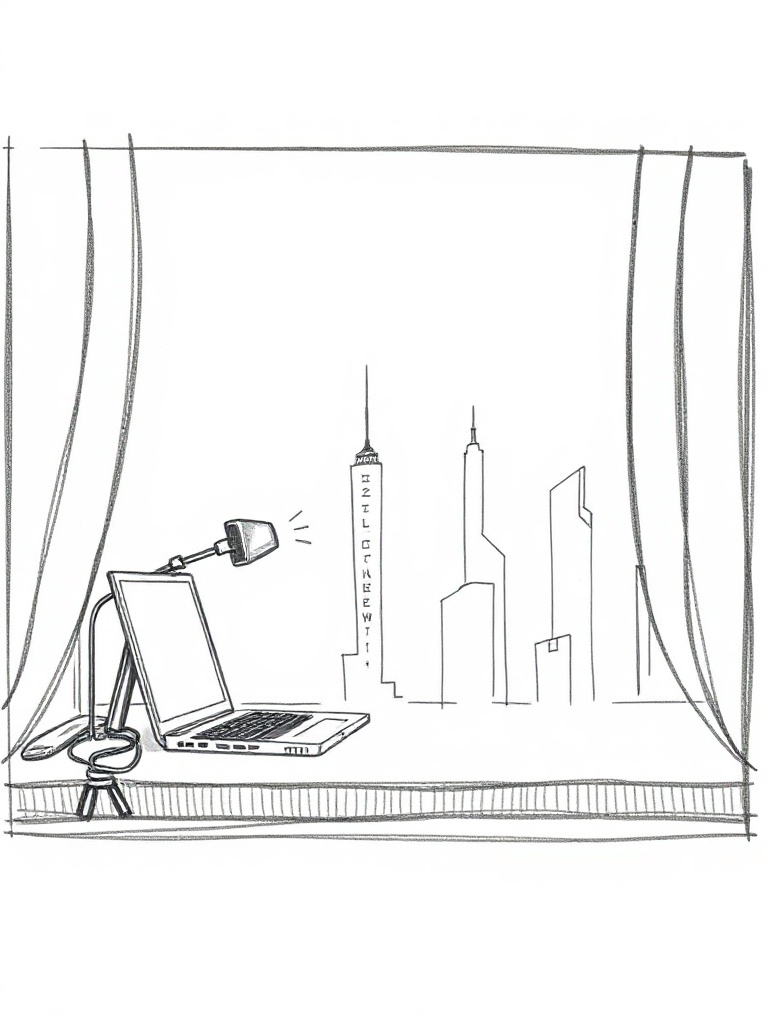
Asynchronous communication reduces meeting overload and supports global teams across time zones. Companies that embrace async-first practices rely on well-documented processes, recorded presentations, threaded communication tools, and clear timelines. The result: fewer interruptions, deeper focus, and better work-life balance.
Outcome-focused performance
Performance measurement is shifting from time-based metrics to outcomes and deliverables.
Managers increasingly set clear objectives, key results, and regular check-ins instead of monitoring hours. This approach fosters autonomy, encourages trust, and helps teams concentrate on impact rather than activity.
Employee experience and wellbeing
Remote work has raised the bar for employee experience. Benefits like flexible schedules, stipends for home office setup, mental health resources, and flexible leave policies are now part of retention strategies. Regular pulse surveys and manager training on remote leadership help identify burnout early and keep engagement high.
Remote onboarding and culture-building
Onboarding remote hires successfully is crucial for retention.
Structured onboarding roadmaps, scheduled meet-and-greets, buddy systems, and early cross-functional projects accelerate integration. Culture-building requires intentional rituals — virtual coffee chats, recognition programs, and periodic in-person retreats where feasible.
Security and zero trust
Cybersecurity has become central to remote operations. Zero-trust architectures, multi-factor authentication, endpoint protection, and granular access controls protect data outside traditional office boundaries. Regular security training and simulated phishing exercises keep remote teams vigilant.
Meeting hygiene and collaboration tools
Meeting fatigue drives adoption of better meeting practices: agendas, time-boxing, “no-meeting” days, and clear decision records. Collaboration platforms that combine documentation, async video, and whiteboarding — used with disciplined governance — replace endless threads and fragmented knowledge. Tool sprawl is a risk; evaluate tools by how they improve workflows rather than feature count.
Distributed talent and flexible hiring
Geography-agnostic hiring opens access to diverse skills and lower-cost talent pools, but it introduces complexity around payroll, local compliance, and cultural integration. Companies that develop transparent global hiring policies, equitable pay bands, and local HR partnerships scale distributed teams more smoothly.
Skills and continual learning
Remote work accelerates the need for digital skills, communication mastery, and self-management. Employers that invest in microlearning, cross-training, and internal mobility keep teams adaptable and reduce skill gaps.
Practical steps for leaders and remote workers
– For leaders: Define hybrid policies, measure outcomes, invest in secure infrastructure, and train managers for remote-first leadership.
– For managers: Set clear goals, prioritize async communication, and create a predictable rhythm of feedback.
– For remote workers: Establish a consistent workspace, block deep-work time, communicate availability, and document work to build visibility.
Remote work is no longer an experiment — it’s an operating model that demands intentional design. Organizations that focus on equitable practices, clear communication, and secure, outcome-driven systems will be better positioned to attract top talent and sustain performance as work continues to evolve.
Leave a Reply