Building a resilient workplace culture for hybrid teams
Workplace culture increasingly defines how people engage, stay, and perform.
With teams split between offices, homes, and third spaces, intentional culture design is essential to prevent fragmentation, boost collaboration, and keep morale high. A resilient culture supports flexibility while preserving connection, clarity, and fairness.
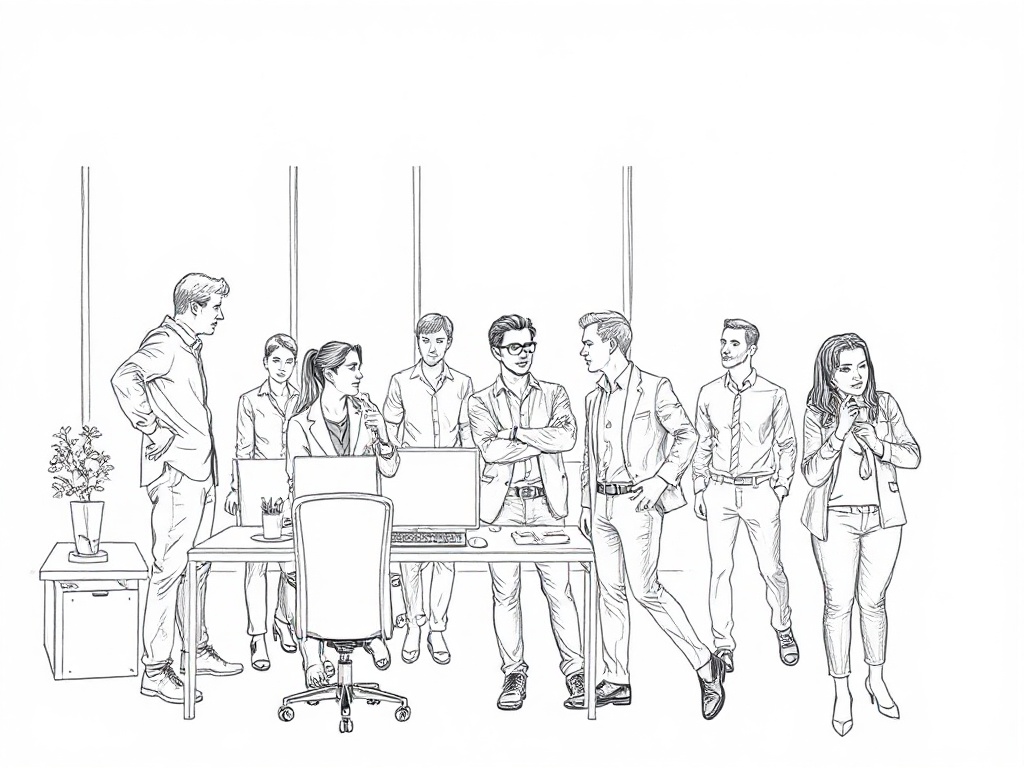
Common culture challenges in hybrid environments
– Uneven access to information and visibility for remote workers
– Meeting overload and asynchronous communication friction
– Erosion of psychological safety and informal relationship-building
– Inconsistent norms around availability, feedback, and recognition
Practical strategies to strengthen culture across locations
1.
Define shared norms, not rigid rules
Create clear, simple norms that guide when to meet synchronously, what belongs in async channels, and expectations for responsiveness. Focus on outcomes rather than hours: prioritize results, not presenteeism.
Publish norms where everyone can find them and revisit periodically with input from all roles.
2. Make psychological safety a priority
Psychological safety is a major predictor of team performance. Encourage leaders to model vulnerability by admitting mistakes and asking for feedback. Normalize dissenting opinions and structured debate with practices like pre-mortems and red-teaming. Use anonymous feedback channels to surface concerns from those who speak up less.
3. Design inclusive meetings and rituals
Rotate meeting times when possible, set clear agendas, assign facilitators, and call on quieter participants thoughtfully. Use video strategically—reserve face time for relationship-building and complex discussions while keeping status updates asynchronous. Create rituals that foster belonging, such as regular all-hands with Q&A, cross-team show-and-tells, and virtual coffee pairings.
4. Invest in onboarding and continuous learning
Onboarding shapes culture quickly. Build a consistent hybrid onboarding pathway that pairs new hires with buddies, provides asynchronous training materials, and schedules check-ins across 30–90 day milestones.
Promote continuous learning with accessible microlearning, mentorship programs, and time allocated for skill development.
5.
Measure what matters
Move beyond vanity metrics.
Track engagement, eNPS, retention by cohort, participation in development programs, and diversity outcomes. Pair quantitative surveys with qualitative interviews to understand the “why” behind the numbers. Share findings transparently and outline the steps you’ll take based on the data.
6. Prioritize wellbeing and boundaries
Prevent burnout by modeling healthy boundaries: encourage use of time off, set no-meeting blocks, and limit after-hours messaging. Offer flexible schedules and mental health resources that reflect varying needs.
Recognize that wellbeing interventions need to be accessible to both in-office and remote staff.
7. Reward behaviors that reinforce culture
Recognition programs should highlight collaborative, inclusive, and outcome-oriented behaviors.
Celebrate cross-location wins and frontline contributions equally. Consider peer-nominated awards and visible leader acknowledgements to reinforce desired norms.
Quick checklist to get started
– Draft and publish hybrid working norms with team input
– Train managers on remote-inclusive leadership and coaching
– Audit meeting load and reduce low-value sessions
– Launch a consistent onboarding flow for all hires
– Run pulse surveys and schedule follow-up action planning
A strong workplace culture doesn’t happen by accident—it’s deliberately crafted, measured, and iterated. Small, consistent changes that prioritize inclusion, clarity, and wellbeing will create a culture that supports people wherever they work and drives better outcomes for the organization. Start with one or two high-impact practices and expand from there, keeping communication and feedback at the center of every step.
Leave a Reply