Building a resilient workplace culture today means balancing flexibility, trust, and clear purpose. As organizations adapt to hybrid schedules, distributed teams, and shifting employee expectations, culture has become a strategic advantage that drives retention, productivity, and innovation.
Why culture matters
A strong culture aligns people around shared values and behaviors. It reduces friction when decisions are needed, improves onboarding, and makes performance expectations transparent. When culture supports psychological safety and recognition, teams are likelier to take smart risks and iterate faster.
Core components of modern workplace culture
– Psychological safety: Employees need to feel safe admitting mistakes, asking questions, and sharing ideas without fear of punishment or ridicule. This fuels learning and creativity.
– Flexibility and autonomy: Offering choices around where and when work happens shows trust and helps employees manage life demands, which improves engagement.
– Inclusive leadership: Leaders who model empathy, solicit diverse perspectives, and act on feedback create environments where everyone can contribute.
– Clear purpose and values: Purpose-driven organizations help employees connect daily tasks to broader impact, increasing motivation and retention.
– Continuous learning: Career growth, micro-learning opportunities, and mentorship signal investment in people, not just output.
Practical steps leaders can take
1. Measure culture with meaningful metrics: Use employee engagement surveys, eNPS, turnover rates, and qualitative feedback from focus groups. Track changes over time and link them to business outcomes.
2. Prioritize psychological safety in meetings: Start team meetings with quick check-ins, invite differing viewpoints, and normalize sharing failures as learning moments.
3.
Design hybrid work intentionally: Define when teams need to be co-located for collaboration versus when asynchronous work is better. Create core hours and documented norms to reduce meeting overload.
4. Build inclusive rituals: Rotate meeting facilitation, use inclusive decision-making practices, and ensure diverse voices have airtime.
Small rituals—like rotating mentors or “demo days”—make inclusion tangible.
5.
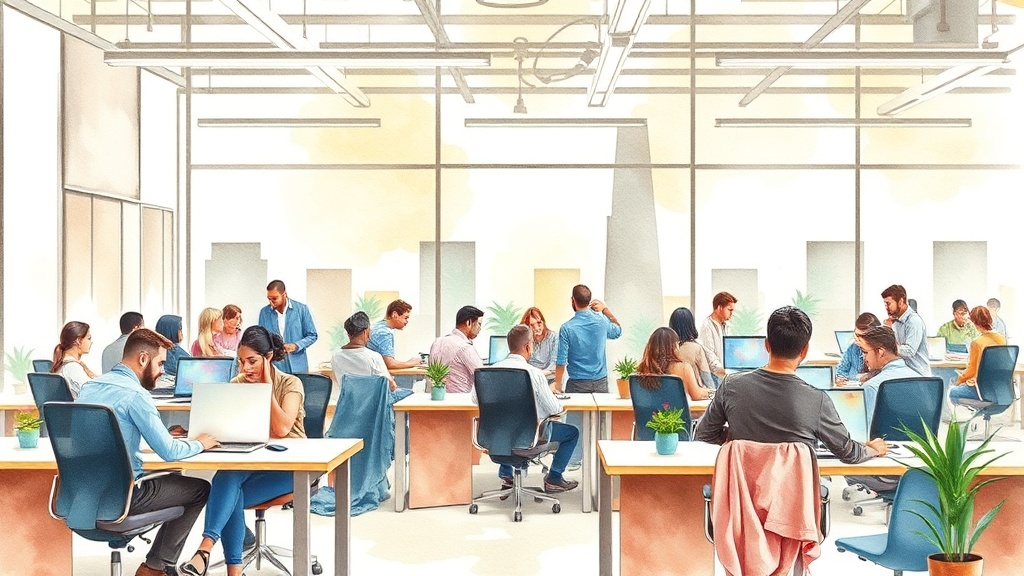
Invest in onboarding and offboarding: First impressions set cultural expectations. A structured onboarding program that highlights values, communication norms, and decision rights shortens time to productivity. Exit interviews reveal culture gaps for improvement.
6. Recognize and reward behavior, not just outcomes: Celebrate people who live the company values—mentors, collaborators, those who improve processes—so desired behaviors scale.
7. Make feedback systematic: Encourage frequent 1:1s, peer-to-peer recognition platforms, and pulse surveys to surface issues early.
8.
Protect time for deep work and rest: Respecting focus time and vacation signals a culture that values sustainable productivity.
Common pitfalls to avoid
– Treating culture as PR: Announcing values without changing policies or leader behaviors breeds cynicism.
– Overloading with culture initiatives: Too many programs confuse employees. Prioritize the few changes that will move the needle.
– One-size-fits-all approaches: Remote, office-based, and field teams often need tailored practices to stay connected and aligned.
Measuring impact
Link cultural changes to measurable outcomes: improved retention, shorter time-to-productivity for new hires, higher engagement scores, fewer unplanned absences, and better customer satisfaction. Use qualitative stories alongside quantitative metrics to capture the full picture.
Culture evolves with intention.
By focusing on psychological safety, inclusion, clarity, and sustainable work rhythms, organizations can create a resilient environment where people do their best work, stay longer, and help the business thrive.
Leave a Reply