Boosting Office Productivity: Harnessing the Power of Digital Technology
In recent times, organizations worldwide have given top priority to improving office productivity.
The quest for increased productivity has led many businesses to turn to digital technology as a solution. The use of technology in the workplace revolutionizes how individuals work and how organizations function on a day-to-day basis.
Digital Technology: A Catalyst for Increased Productivity
One of the most significant benefits of adopting digital technology in the office is increased productivity. Thanks to advanced tools and software, employees can now accomplish more tasks in less time. For example, digital calendars and project management tools have markedly reduced the time spent organizing work, leaving more time for employees to focus on their core responsibilities.
Another major player is the automation of repetitive tasks. Automated software can handle time-consuming tasks like data entry and report generation, allowing employees to focus on more complex and value-adding tasks. This not only optimizes workflow but also significantly reduces the chance of human error, ensuring higher quality outputs.
Boosting Collaboration and Communication
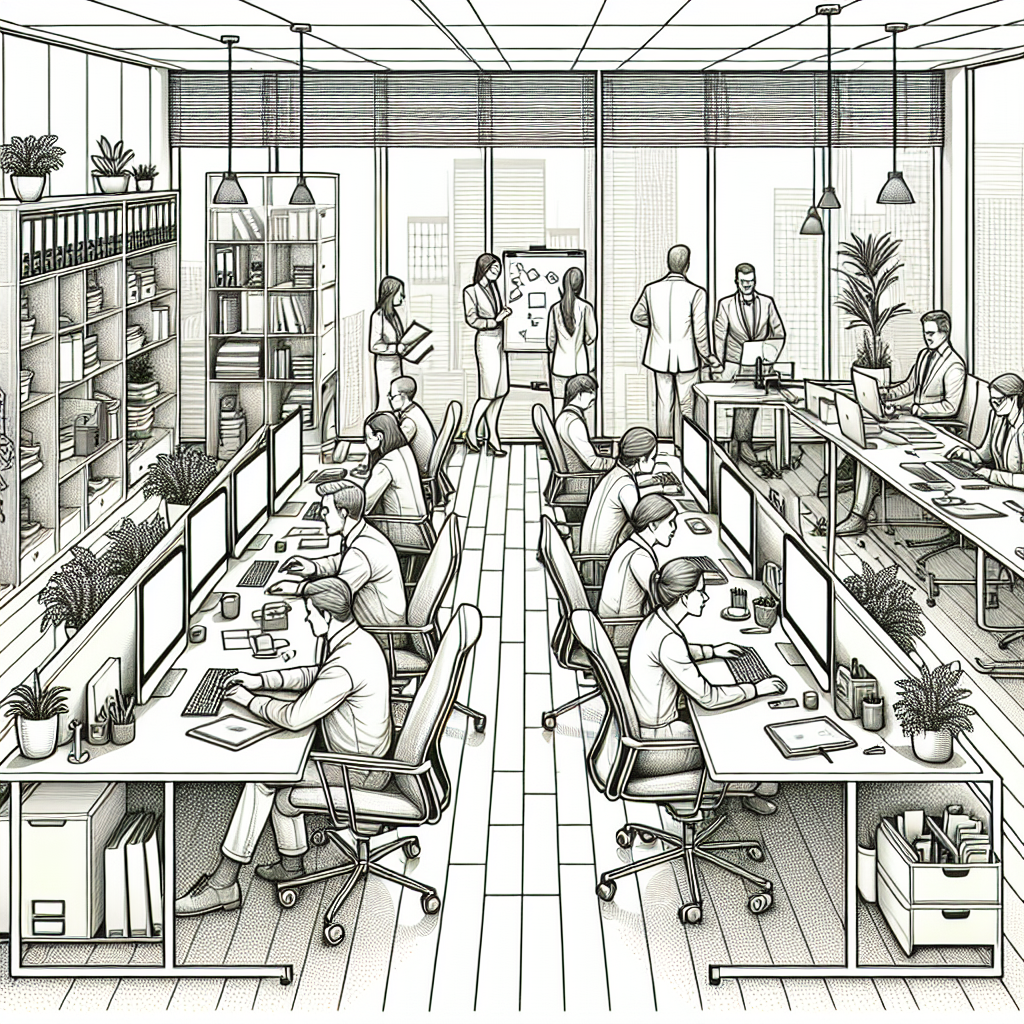
Digital technology also enhances workplace collaboration by enabling real-time communication and cooperation between team members, regardless of their location. Tools like shared online workspaces and video conferencing software help team members work together seamlessly, breaking down geographical barriers and fostering a more connected workplace.
The ability to share and access documents and data from a centralized platform also promotes better information exchange and decision-making. With cloud-based systems, team members can access vital information anytime, from anywhere, ensuring work continuity and efficiency.
Augmenting Employee Skillsets
It is also important to note that the integration of digital technology has led to the evolution of roles within the office. As the software takes over more administrative tasks, employees are required to develop new skills focused on strategy, critical thinking, and creativity. This shift does not diminish roles but rather enhances them, leading to more stimulating work environments and improved employee satisfaction.
Promoting a Culture of Continuous Learning
The rapid pace at which digital technology evolves means that continuous learning and adaptability become crucial in the workplace. A culture that encourages employees to stay updated with the latest technological innovations and develop relevant skills can greatly enhance productivity and efficiency.
Employees proficient in digital tools and technologies can navigate their roles more effectively and contribute more significantly to the organization’s objectives. Furthermore, a workforce that is comfortable with technology will be more open to adopting new tools and processes that can further enhance productivity.
Facilitating Remote Work
In today’s work landscape, remote work is more prevalent than ever. Digital technology allows employees to work from any location with an internet connection, providing businesses with the flexibility to hire from a wider talent pool. Additionally, remote work options can lead to increased productivity by reducing commuting time and providing employees with a more balanced work-life setup.
The introduction of digital technology in the office is a game-changer for productivity.
By automating repetitive tasks, facilitating collaboration, encouraging continuous learning, and supporting remote work, technology is paving the way for the future of work. As businesses continue to adapt and evolve, it’s clear that investing in digital technology is an essential step towards achieving maximum productivity and efficiency in the workplace.
Leave a Reply