Work-Life Balance: Practical Strategies for Sustainable Boundaries
Work-life balance isn’t a fixed destination — it’s an ongoing practice that adapts as jobs, technology, and personal priorities shift. Today’s workplaces demand new habits to protect focus, relationships, and energy. These practical strategies help create lasting boundaries without sacrificing productivity.
Audit your time and energy
Start by tracking how you spend your work hours and what drains or boosts your energy. A simple two-week audit reveals patterns: long stretches of low-focus meetings, frequent context switches, or late-evening email habits.
Use that insight to redesign your schedule around when you do your best work, not when the calendar is full.
Design a predictable rhythm
Predictability reduces decision fatigue.
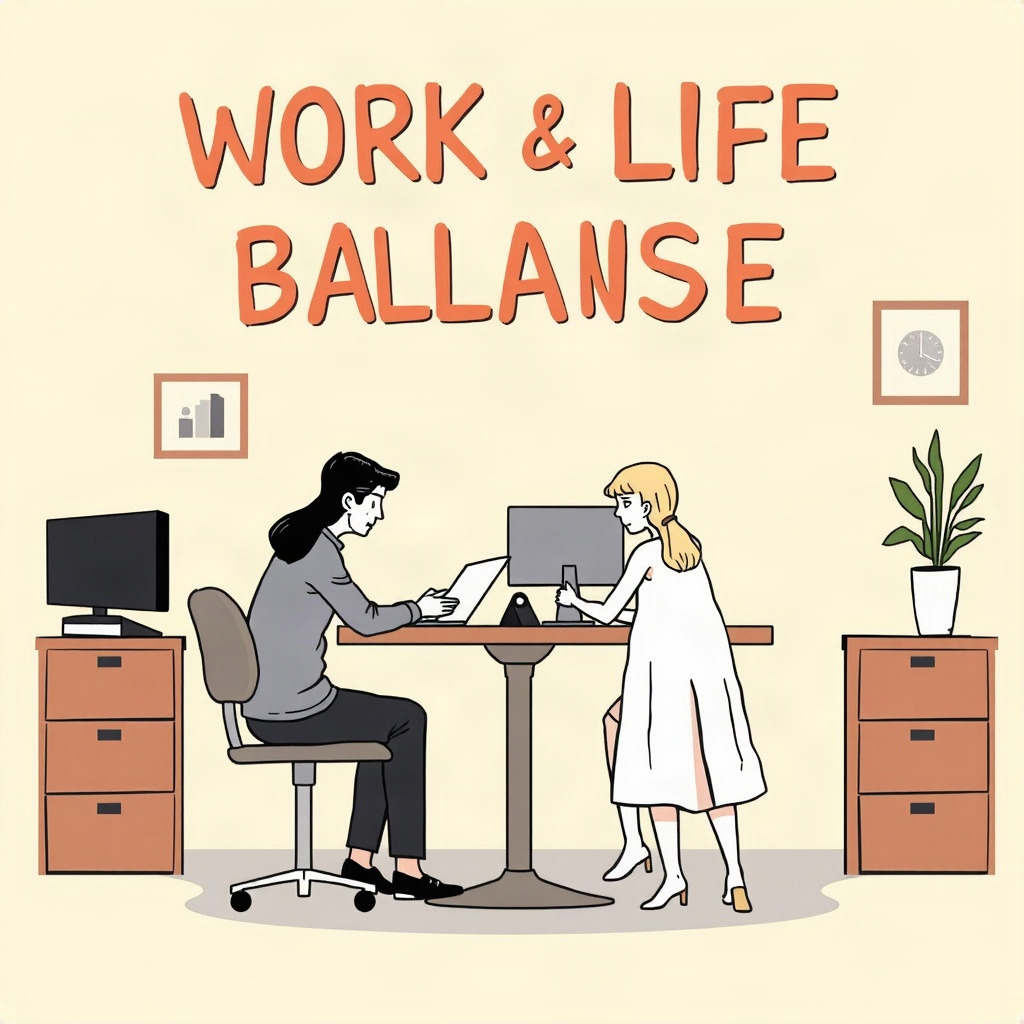
Block daily deep-work sessions when your energy is highest and reserve shorter slots for email and admin. Create “no meeting” windows or a firm end-of-day ritual — closing your laptop, turning off notifications, or a short walk to simulate commuting. For teams, a shared calendar of core hours and quiet periods keeps expectations realistic.
Protect boundaries with technology
Tech can both blur and reinforce boundaries. Set strict rules for notifications: silence work apps outside core hours, use scheduled email delivery, and enable “Do Not Disturb” during family time. Consider separate devices or user profiles where feasible.
For managers, adopting an asynchronous communication culture — favoring messages and shared documents over instant replies — reduces pressure to be always available.
Prioritize outcomes over hours
Shift conversations from presenteeism to measurable results. When performance is evaluated by output, people gain flexibility to arrange work around life demands. Establish clear goals, milestones, and check-ins so teams know what success looks like without tracking busywork.
Use boundary rituals and transitions
Small rituals signal the mind to switch roles. A morning routine, a commute-mimicking walk, or a dedicated workspace help separate professional and personal life, especially when working remotely. At day’s end, a short ritual—journaling accomplishments, planning tomorrow’s top three tasks—creates closure and helps you disconnect.
Negotiate flexibility strategically
Approach managers with a proposal that shows benefits for both sides: a flexible schedule tied to core deliverables, condensed workweeks, or staggered hours. Back your request with a trial period and metrics for tracking performance. Many teams are open to experiments that boost engagement and reduce burnout.
Protect recovery and small wins
Recovery is as important as productivity. Prioritize sleep, regular breaks, and movement. Microbreaks—five minutes every hour—improve concentration. Celebrate small wins publicly to reinforce balance-friendly habits across teams.
Build supportive norms
Organizations set the tone. Encourage leaders to model boundary-setting: turn off email late at night, use out-of-office messages, and respect rest days. Teams can adopt practices like a weekly “no meeting” day, or guidelines about response expectations to protect deep work.
Quick checklist to start
– Track where your time goes for two weeks
– Block deep-work periods and a firm end-of-day ritual
– Use scheduled email, “Do Not Disturb,” and asynchronous tools
– Propose outcome-based goals instead of hours-tracked
– Introduce a daily transition ritual to separate work and life
– Negotiate flexible arrangements with measurable trials
– Take regular microbreaks and prioritize sleep
Work-life balance evolves with your career and circumstances. Small, consistent changes to habits, technology, and team norms build a sustainable rhythm that preserves focus, energy, and relationships while keeping performance strong.
Leave a Reply