The digital age has ushered in a new era of work—one where traditional office spaces are being traded for the comfort of our own homes. Remote work, once considered a luxury or privilege, has become an integral part of the global business landscape, with more companies than ever embracing this flexible working model. Today, we are witnessing the emergence of remarkable trends shaping the future of remote work.
These trends are transforming not only how we work, but also where we work, and the tools we use to stay productive.
One of the most striking trends in the remote work landscape is the rise of distributed teams.
Businesses have started to realize that talent and expertise are not confined to geographical boundaries. They are now open to hiring professionals regardless of their location, giving rise to globally distributed teams. This trend has enabled companies to tap into global talent pools, fostering greater diversity and inclusivity.
Another noteworthy trend revolves around technology and its groundbreaking role in facilitating remote work. Innovative digital tools and platforms have made it easier than ever for teams to collaborate, communicate, and stay productive.
From project management tools to video conferencing software, the tech landscape is continuously evolving to cater to the needs of remote teams.
The increase in flexible work hours is also shaping the remote work environment. Instead of sticking to the traditional 9-to-5 schedule, companies are allowing employees to choose their working hours.
This flexibility can lead to increased productivity, as employees have the freedom to work during their most effective hours.
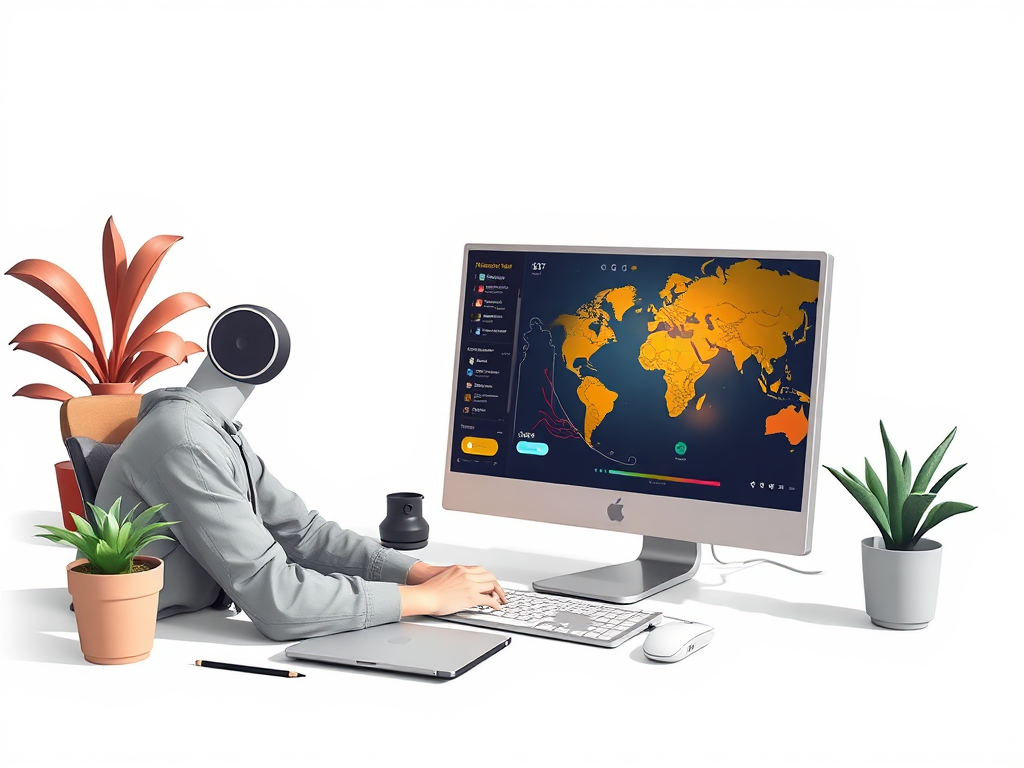
Moreover, there’s a growing emphasis on the importance of work-life balance in the remote work culture.
With the lines between personal and professional life often blurred in a remote setting, companies are prioritizing employee wellness. They’re encouraging regular breaks, promoting physical activity, and providing access to mental health resources.
However, the shift to remote work is not without its challenges. Cybersecurity has been a focal point, with companies needing to ensure their systems are secure and employees are aware of potential threats. Therefore, organizations investing in remote work are also focusing on strengthening their cybersecurity measures, protecting sensitive data, and providing cybersecurity training to their workforce.
The rise of coworking spaces is another trend gaining momentum.
While remote work offers the benefit of no commute and a flexible schedule, it can sometimes lead to isolation. Coworking spaces provide a solution, offering a sense of community and collaboration. Plus, they offer the opportunity for networking, something that can be lacking when working from home.
Lastly, the trend of remote work has spurred businesses to rethink their performance measurement metrics. Traditional methods of assessment, often based on time spent in the office, are becoming less relevant.
Instead, companies are now judging performance based on results and productivity, a shift that better aligns with the nature of remote work.
As the world continues to adapt to the impacts of remote work, these trends are likely to shape the future of the global work landscape. The new paradigm of work is here, and with it comes a commitment to flexibility, digital prowess, and a fresh perspective on productivity and success. Embracing these trends can help businesses and individuals thrive in the digital age, wherever they may be.
Leave a Reply