The world of work is ever-evolving, and remote work is currently at the forefront of this transformation.
Today’s advanced digital tools and robust internet connectivity have made it possible for professionals to accomplish their tasks from virtually anywhere. Consequently, the realm of remote work has taken on new dimensions, with several intriguing trends emerging recently.
Firstly, the rise of digital nomadism is reshaping the face of remote work. Today, professionals are not just working from home; they’re working from everywhere. Cafes, co-working spaces, and even exotic beachfront locales are becoming the new office spaces. This trend reflects the desire among modern workers to balance their professional responsibilities with personal interests, such as travel and exploration.
Companies are responding by offering more flexible work policies, recognizing that a happy, fulfilled employee is often a more productive one.
Secondly, the remote work landscape is seeing a shift towards a results-oriented work environment (ROWE). Instead of evaluating employees based on the number of hours logged in, employers are focusing more on the quality and results of work accomplished. This approach allows for greater flexibility and autonomy, fostering a work culture that values efficiency over mere attendance.
Thirdly, the demand for skills related to remote work is growing. Essential competencies, such as self-discipline, digital literacy, and excellent communication, are highly sought after in the virtual workspace. Being able to manage time effectively and work independently are also crucial traits for remote workers. As a result, professionals are increasingly seeking out training and development opportunities to hone these skills.
Moreover, in the realm of remote work, we are witnessing an increased emphasis on the importance of maintaining strong mental health. Creating boundaries between personal and professional life can be challenging when working from home, which can lead to heightened stress and burnout. Thus, many organizations are prioritizing mental health initiatives and wellness programs to support their remote employees.
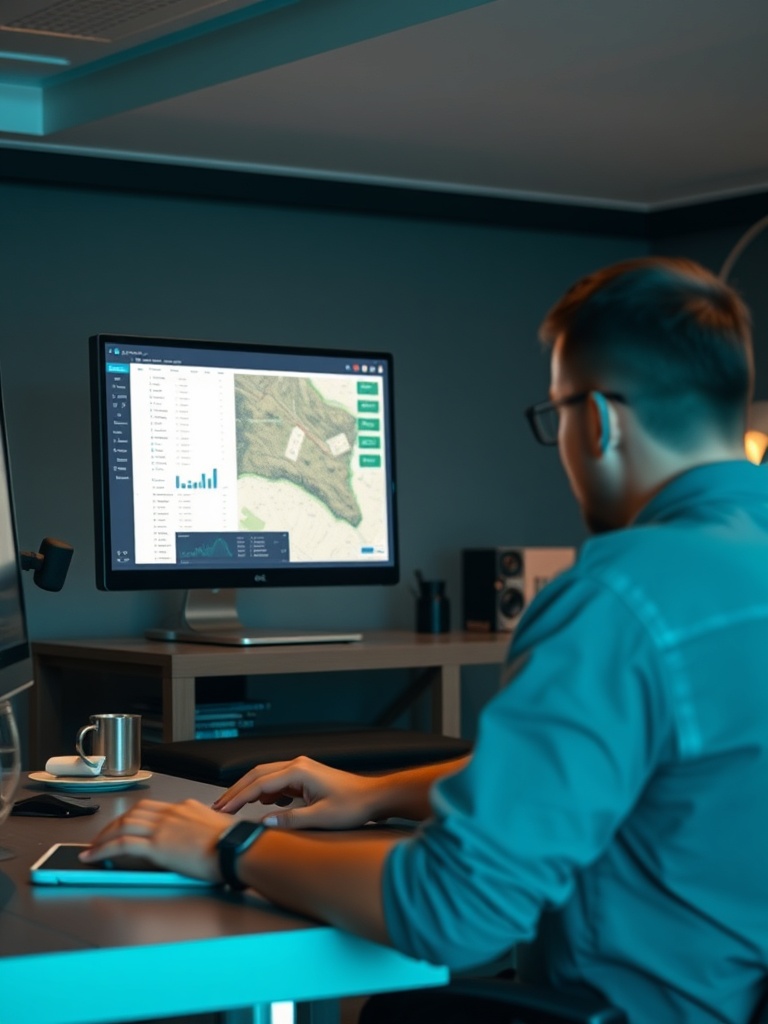
Finally, technology continues to play an instrumental role in driving remote work trends. The growing range of collaborative tools and platforms have not only made remote work feasible but also more efficient. From project management software to video conferencing applications, these digital solutions are enabling seamless communication and collaboration among remote teams.
While these trends paint an exciting picture of the remote work landscape, they also highlight the need for businesses and individuals to adapt swiftly. Companies must rethink traditional work models, embrace flexibility, and equip their teams with the necessary tools and skills to thrive in a virtual workspace. On the other hand, professionals must seize the opportunities presented by remote work, focusing on continuous learning and personal growth to stay competitive.
As remote work continues to gain momentum, these trends will likely shape the future of work. They offer insights into the evolving needs and expectations of both businesses and workers, paving the way for a more flexible, efficient, and inclusive work environment. Whether you’re an employer, an employee, or a freelancer, understanding these trends will help you navigate the ever-changing remote work landscape and seize the opportunities it brings.
Leave a Reply