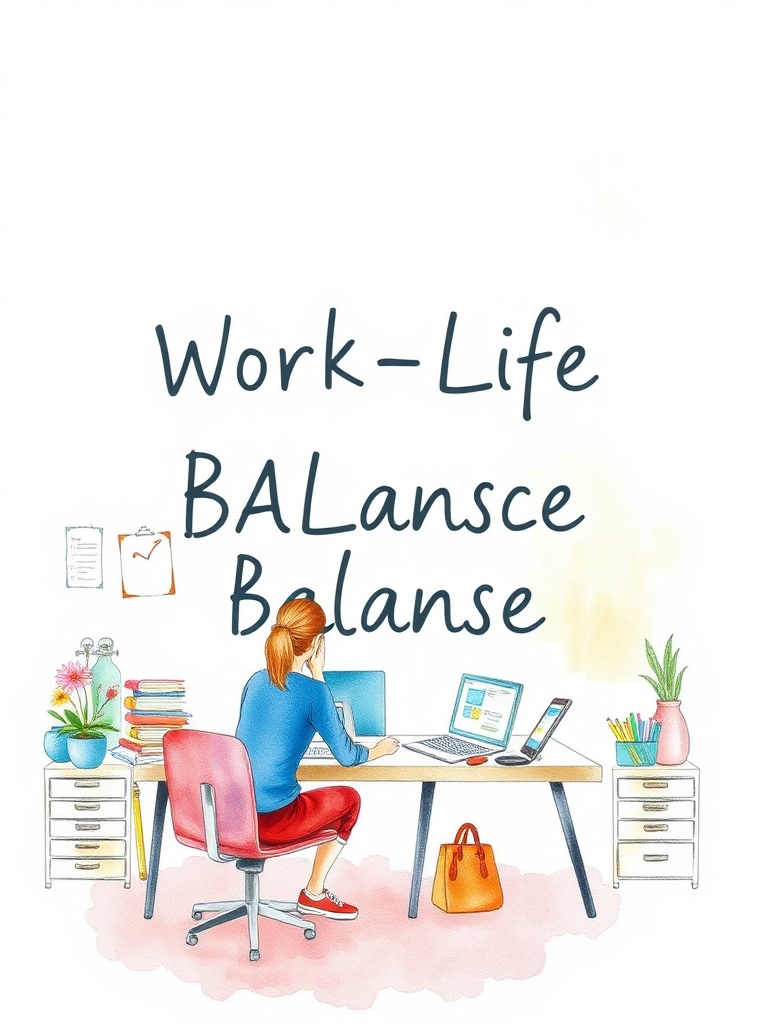
Work-life balance is no longer a bonus perk—it’s a core ingredient for sustained performance, mental health, and employee retention. With remote and hybrid work patterns changing how teams interact, building a practical, personalized approach to balance matters more than ever.
Why balance matters
When work bleeds into personal time, productivity often drops even as hours increase. Chronic overwork fuels stress, erodes creativity, and increases turnover. Conversely, clear boundaries and structured downtime improve focus, creativity, and job satisfaction. Employers who prioritize balance see measurable gains in engagement and reduced burnout, while individuals gain energy and clarity.
Common obstacles
– Always-on expectations: Instant messaging and around-the-clock notifications make it hard to switch off.
– Blurred boundaries: Working from home can dissolve physical separation between work and life.
– Perfectionism and overcommitment: Taking on too much or aiming for unrealistic standards leads to longer hours.
– Lack of employer support: Without flexible policies or manager modeling, employees struggle to set limits.
Practical strategies that work
Create systems that remove decision fatigue and protect personal time. Try a combination of the following:
– Time-blocking: Schedule focused work blocks and strict end times. Treat them like meetings you can’t cancel.
– Set communication hours: Define windows when you’ll respond to messages; use auto-responses for out-of-office periods.
– Use asynchronous workflows: Favor recorded updates and shared docs over meetings to reduce context-switching.
– Prioritize ruthlessly: Use the 80/20 rule—focus on tasks that deliver most impact and delegate or defer the rest.
– Build micro-routines: Short rituals before and after work—like a walk or a five-minute journal—signal transitions and restore balance.
– Protect weekends and personal days: Reserve at least some days with no work obligations; gradual maintenance beats intermittent overload.
Manager and company responsibilities
Work-life balance is a shared responsibility. Managers set the tone by modeling healthy behaviors: taking breaks, avoiding late-night emails, and respecting time-off. Organizations can support balance through clear policies—flexible schedules, defined core hours, and meaningful leave programs—and by measuring outcomes, not hours. Training leaders to spot burnout and redesign heavy workloads is essential.
Technology: friend or foe?
Technology enables flexibility but also fuels overwork. Use settings to silence notifications, prioritize tools that reduce friction, and adopt communication norms—for example, marking messages by urgency level. Regularly audit your toolset: too many apps fragment attention and amplify stress.
Mental health and recovery
Rest isn’t optional.
Sleep, regular exercise, social connections, and hobbies are vital for cognitive performance.
Encourage small, sustainable habits rather than extreme routines. If stress feels unmanageable, seek professional support or speak with HR about available resources.
Start small, iterate
Shifting balance happens incrementally. Start with one or two changes—like a no-meeting day or a five-minute end-of-day ritual—and assess impact.
Solicit feedback from colleagues and tweak norms collectively. Over time, consistent small changes produce durable improvements in well-being and productivity.
Making balance a measurable outcome
Treat work-life balance like any business goal: set clear expectations, measure progress, and adjust. Pulse surveys, utilization metrics, and turnover analysis reveal where systems fail. Use that data to redesign workflows, staffing, and policies so balance becomes part of organizational design rather than an afterthought.
Practical change begins with intention: carve out time, communicate boundaries, and align team practices so work supports life, not consumes it.
Leave a Reply