Work-Life Balance That Actually Works: Practical Strategies for Busy Professionals
Work-life balance isn’t a one-size-fits-all phrase — it’s a dynamic practice that adapts to your job, family, health, and goals. With hybrid and remote arrangements increasingly common, managing work-life balance means clear boundaries, deliberate habits, and employer support that focuses on outcomes rather than hours.
Start with a personal audit
Identify where your time goes and how you feel afterward. Track work tasks, commute time, household chores, and leisure for a week. Note energy highs and lows and which activities leave you refreshed versus depleted. This quick audit reveals where small changes produce big benefits.
Design boundaries that stick
Boundary setting is the backbone of sustainable balance:
– Define work hours and communicate them to teammates and family.
– Use a visible signal (calendar blocks, status messages) to mark focus time.
– Turn off nonessential notifications during personal hours and make voice and video calls opt-in outside core times.
Many teams find “core hours” useful: a window for meetings with flexibility surrounding it for deep work and personal needs.
Optimize time and attention
Productivity is about attention management, not squeezing more tasks into the day:
– Time block your calendar for priority work, admin, and breaks.
– Batch similar tasks (email, calls, approvals) to reduce context switching.
– Apply the 90/20 rule: 90 minutes of focused work followed by a short break to recharge.
– Use asynchronous communication where possible to reduce unnecessary meetings; share updates via documents or recorded messages.
Prioritize recovery and energy
Work-life balance depends on recovery as much as productivity:
– Protect sleep and build a short pre-sleep routine to disconnect from screens.
– Schedule microbreaks for movement and breathwork, especially when working remotely.
– Reserve at least one weekly activity that replenishes you — exercise, hobbies, social time, or creative projects.
Negotiate flexibility with purpose
Flexible schedules benefit both employers and employees when designed intentionally:
– Propose measurable results and set milestones if negotiating a hybrid or flexible arrangement.
– Offer overlapping hours for team collaboration and commit to timely responses during those windows.
– Ask for a trial period and agree on success metrics, such as deliverables, meeting responsiveness, or project milestones.
Leverage technology wisely
Tech can both help and hurt balance. Use tools to reduce friction:
– Shared calendars and scheduling apps prevent meeting creep.
– Project management systems clarify responsibilities and deadlines.
– Use “do not disturb” features and email scheduling to avoid after-hours interruptions.
Create supportive workplace norms
Managers shape culture by modeling behavior:
– Encourage outcome-based performance metrics, not time logged.
– Set meeting norms: agendas, time limits, and no-meeting days when possible.
– Offer mental health resources, flexible leave, and clear expectations about communication outside working hours.
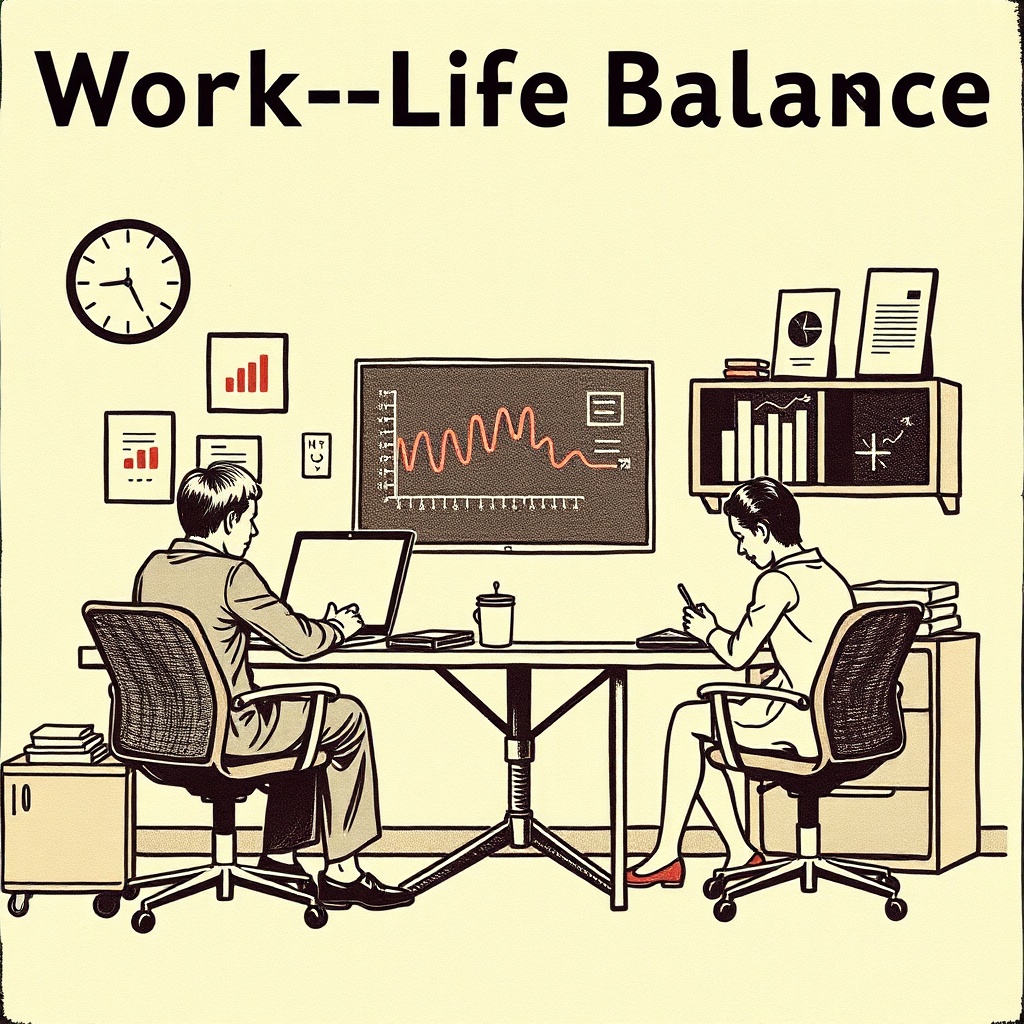
Some organizations adopt formal policies like a “right to disconnect” or set blackout periods for emails to reinforce boundaries.
Small habits, big returns
Work-life balance improves through repeated, measurable changes. Start with one adjustable habit — an enforced no-email hour, a protected morning for deep work, or a weekly family dinner — and iterate. Track how changes affect your stress, productivity, and relationships, then scale what works.
Sustaining balance is an ongoing process: periodically reassess, communicate needs, and adapt. With clear boundaries, focused attention, and supportive norms, it’s possible to be productive at work while preserving time and energy for the life you want outside it.
Leave a Reply