Workplace culture is the quiet engine behind performance, retention, and creativity. As teams stretch across locations and schedules, culture isn’t just perks and ping-pong tables — it’s the set of daily habits, norms, and unspoken agreements that shape how people collaborate, make decisions, and feel about their work.
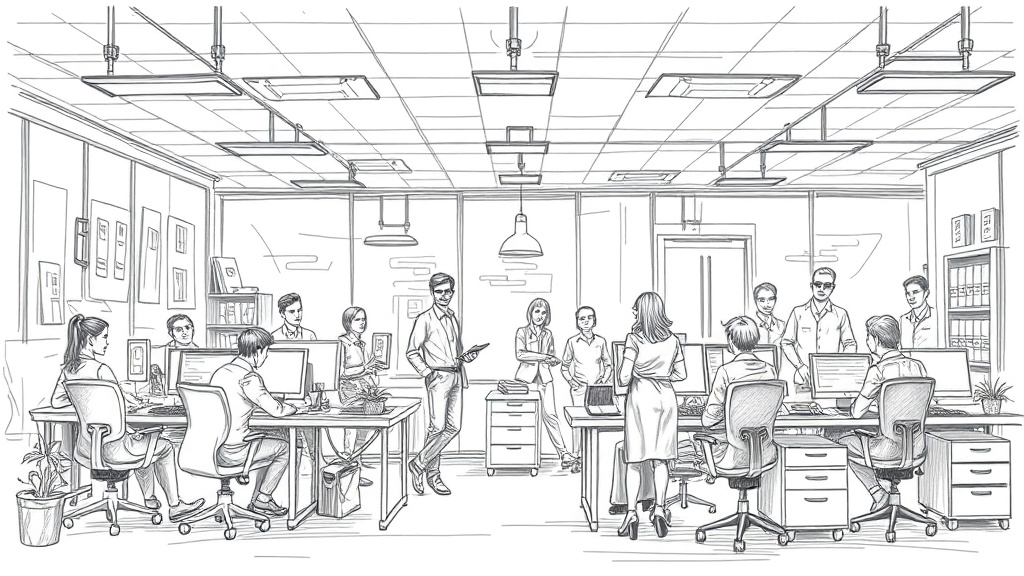
What makes a strong workplace culture today
– Psychological safety: People need to speak up, admit mistakes, and propose bold ideas without fear of reprisal.
Psychological safety drives learning and innovation more than any single perk.
– Clear values and behaviors: Stated values only matter when they’re reflected in everyday actions—how meetings are run, how feedback is delivered, and how decisions are made.
– Consistent communication norms: With hybrid and remote teams, miscommunication is a primary cultural drain. Agreed norms around meetings, async updates, and response expectations reduce friction.
– Career growth and recognition: Employees stay when they see visible pathways for growth and receive timely recognition for meaningful work.
– Wellbeing and boundaries: Respect for time, mental health, and life outside work prevents burnout and sustains long-term engagement.
Practical ways leaders can strengthen culture
– Create a norms playbook: Define how your team communicates (when to use chat vs.
email vs. video), meeting etiquette (length, agenda, roles), and decision protocols. Make the playbook visible and revisit it periodically.
– Prioritize onboarding rituals: Onboarding sets cultural expectations. Use structured introductions, mentor pairings, and an early project that reinforces your values.
– Train managers on inclusive leadership: Managers are culture multipliers.
Coaching on active listening, equitable recognition, and bias-aware decision-making pays off in collective trust.
– Make feedback routine and safe: Replace annual reviews with frequent, constructive check-ins.
Pair praise with specific behaviors so recognition reinforces the culture you want to grow.
– Design meetings for equity: Rotate meeting times where possible, share agendas in advance, and use facilitation techniques (round-robin updates, anonymous idea collection) to give all voices space.
– Measure what matters: Track engagement, retention, and qualitative signals like exit interview themes or recurring concerns in one-on-ones. Use surveys sparingly and follow up on results visibly.
Practical tips for employees
– Set clear availability: Communicate working hours and preferred response windows to reduce interruptions and set realistic expectations.
– Be explicit about priorities: Share weekly priorities with your manager and team so work is judged by outcomes, not face time.
– Practice small acts of recognition: A brief public thank-you or a note highlighting a colleague’s contribution reinforces appreciation culture.
– Protect focus time: Block calendar slots for deep work and encourage teammates to respect them.
Pitfalls to avoid
– Saying values without modeling them: Empty value statements breed cynicism. Leaders must embody the behaviors they promote.
– Over-relying on synchronous meetings: Constant meetings fragment attention and escalate stress. Use async tools for updates and reserve live time for connection and complex problem-solving.
– Ignoring micro-exclusions: Small, repeated slights—who gets interrupted, whose ideas are credited—erode belonging faster than obvious offenses.
Culture is an ongoing practice, not a one-off initiative. By focusing on psychological safety, clear norms, and visible leadership behaviors, organizations can build resilient cultures that support distributed teams, boost engagement, and sustain high performance. Start by picking one small change—better meeting norms, a recognition ritual, or a manager coaching cadence—and iterate from there.
Leave a Reply