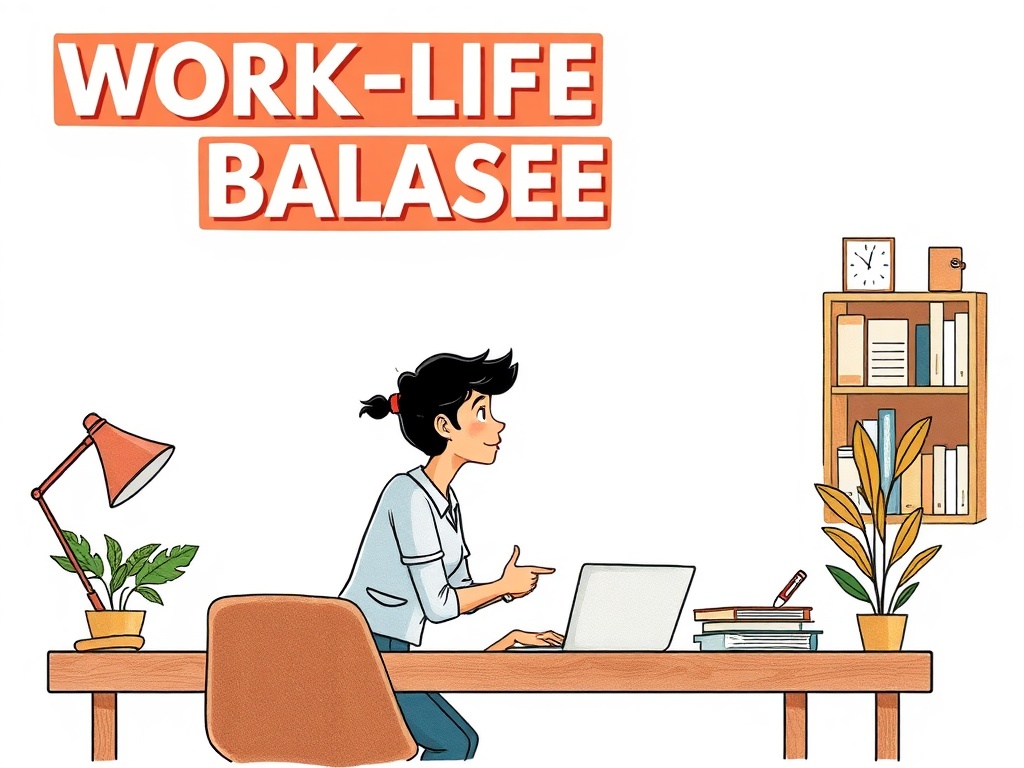
Work-life balance isn’t a one-size-fits-all checklist — it’s a practical system of choices that protect focus, health, and relationships while supporting career progress. With work styles shifting and expectations changing, building reliable habits that prioritize outcomes over hours creates more sustainable productivity and less burnout.
Why balance matters
When boundaries are clear, stress levels drop, creativity improves, and decision-making becomes sharper.
Organizations that emphasize results over time on the clock see higher engagement and lower turnover. For individuals, small changes in how days are structured often yield big improvements in energy and satisfaction.
Concrete strategies that work
– Time-block high-value work: Reserve uninterrupted blocks for deep tasks. Aim for 60–90 minutes of focused work followed by a short break to reset attention. Put these blocks on the calendar as non-negotiable appointments.
– Batch communication: Handle email and team chat in two or three scheduled sessions rather than continuously. Turning off notifications during focus blocks reduces context switching.
– Shorten and tighten meetings: Adopt 25- or 50-minute meeting slots to force concise agendas and create buffer time. Encourage agendas and pre-read materials so meetings drive decisions, not status updates.
– Create start/stop rituals: Simple rituals—like a 10-minute planning session in the morning and a daily shutdown routine—help transition into and out of work mode, protecting personal time.
– Protect one meeting-free day or half-day: Designate a regular chunk of time for deep work, family, or recovery. Consistency helps form long-term habits.
– Use Do Not Disturb and status indicators: Make boundaries visible. Setting clear expectations around availability reduces interruptions and reassures colleagues about response norms.
– Prioritize sleep, movement, and microbreaks: Regular exercise, adequate sleep, and short movement breaks during the day sustain cognitive performance and resilience.
– Delegate and say no: Evaluate tasks against core priorities. Delegation and polite refusal of low-value work free up capacity for meaningful contributions.
Manager and team best practices
– Set outcome-based expectations: Focus on deliverables and goals rather than hours logged. Clear KPIs reduce the need for constant supervision.
– Normalize asynchronous work: Encourage written updates and recorded briefings so team members can consume information on their own schedules.
– Model healthy behavior: Leadership that respects off-hours and takes time off sets a powerful example.
– Offer flexibility: Allowing variable schedules for caregiving, commuting, or different peak productivity windows supports diverse needs and reduces presenteeism.
Easy tools and tweaks
– Calendar as a productivity tool: Block time for priorities, breaks, and admin work.
Color-code to make boundaries visible.
– Task lists with priorities: Use a daily top-three system to make progress visible and reduce overwhelm.
– Focus aids: Silence notifications, use ambient sound or white noise for concentration, and employ browser extensions to limit distracting sites during focus windows.
Start small, scale slowly
Tweak one habit for a few weeks—batch email, shorten meetings, or create a daily shutdown ritual—and track how it affects stress and output.
Small, consistent adjustments compound into reliable balance, more energized work, and stronger relationships. Prioritizing boundaries and outcomes creates a sustainable rhythm that supports both career growth and personal wellbeing.
Leave a Reply