Office productivity today is less about working harder and more about designing systems that protect focus and remove friction. With hybrid schedules, overflowing inboxes, and endless meetings, the highest-leverage moves are small changes that reduce cognitive load and make productive time predictable.
Make focus predictable
– Time blocking: Reserve chunks on your calendar for deep work and treat them like meetings. Shorter blocks (60–90 minutes) often outperform longer ones because they align with attention spans.
– Single-tasking rules: Turn off visual notifications and close unrelated tabs. Use a “do not disturb” indicator so colleagues know you’re in focus mode.
Control information flow
– Email triage windows: Check email only at two or three scheduled times per day.
Use rules and filters to surface only messages that require attention; send everything else to a folder for later review.
– Asynchronous-first communication: Move status updates, feedback, and non-urgent requests to shared documents or messaging threads so collaborators can respond on their own schedules.
Run meetings like a service
– Agenda and outcomes: Send a concise agenda with clear decisions expected. If an item can be handled offline, skip the meeting.
– Time-box and cap attendance: Invite only essential participants and stick to shorter time slots. End meetings five minutes early to allow for transition.
– Meeting roles: Assign a facilitator and a note-taker to keep discussion on track and capture action items.
Reduce repetitive work with systems
– Templates and snippets: Create reusable email templates, document outlines, and meeting agendas. Keyboard shortcuts and text expansion save minutes that add up.
– Automation: Use simple automations to move data between apps, schedule reminders, or create tasks from emails. Small workflows eliminate manual copying and reduce errors.
Prioritize ruthlessly
– Clarify the top three outcomes: Start each day or week by naming the three highest-impact tasks. This keeps energy focused on what moves the needle.
– Use “eat the frog” scheduling: Tackle your most important or hardest task early, when decision fatigue is low.
Leverage smart task management
– Single source of truth: Keep tasks in one place—whether a list, Kanban board, or prioritized notebook—and keep it up to date. Fragmented task lists cost time and attention.
– Batch similar tasks: Group phone calls, approvals, or creative tasks together to reduce context switching.
Protect energy, not just time
– Micro-breaks and movement: Short physical breaks and posture changes restore concentration. Even a five-minute walk or stretch resets focus.
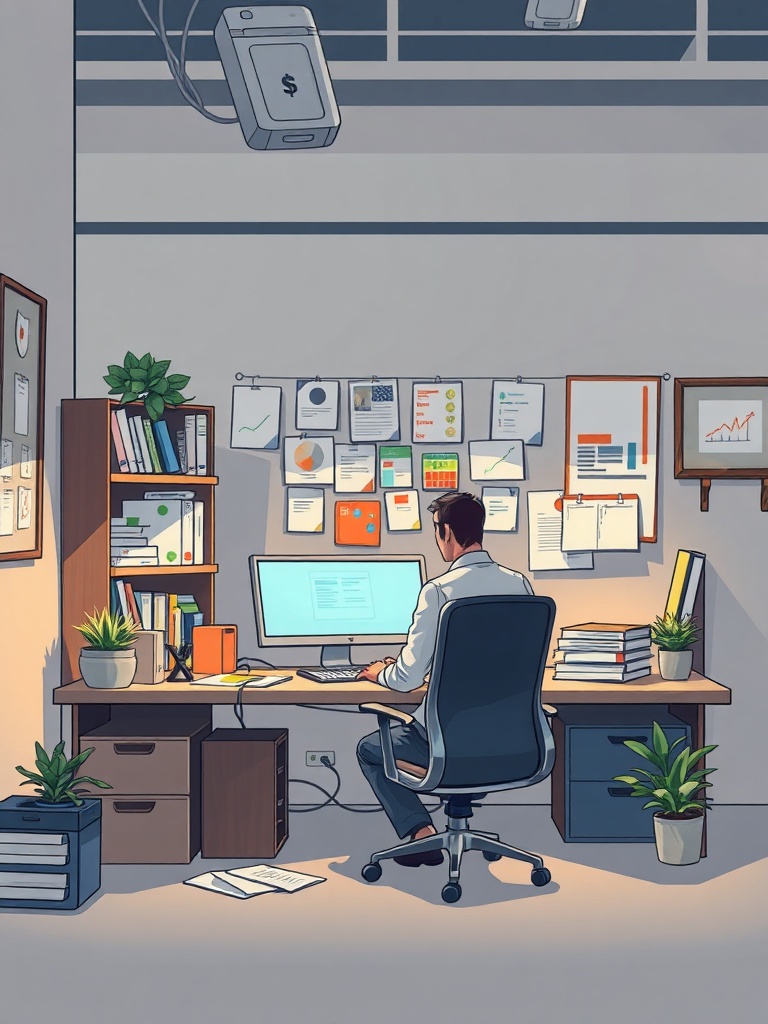
– Ergonomics and environment: A comfortable chair, proper monitor height, and good lighting reduce fatigue and improve sustained productivity.
Measure impact, not activity
– Track outcomes: Replace vanity metrics like hours logged with outcomes delivered—projects completed, customer issues resolved, or revenue influenced.
– Regular reviews: Weekly reviews of tasks and calendar blocks reveal patterns to optimize. Adjust the plan based on what consistently drives results.
Small process changes compound. Start with one or two tactics—scheduled email checks, a daily priority list, or a standard meeting agenda—and iterate from there. Over time, those habits build a workplace where time is respected, attention is protected, and productive work becomes the default.
Leave a Reply