Maintaining a Healthy Work-Life Balance in the Modern World
In this fast-paced, always-on world we live in, achieving a healthy work-life balance can often feel like an impossible task. Technology has blurred the line between our professional and personal lives, making it increasingly difficult to switch off and unwind. However, maintaining a good balance between work and personal life is not just crucial for your mental and physical well-being, but it can also enhance your productivity and job satisfaction.
Why is Work-Life Balance Important?
Work-life balance is the equilibrium between professional responsibilities and personal life. A healthy work-life balance means having enough time for work tasks, personal relationships, relaxation, and fun – and the flexibility to adjust your schedule to meet life’s demands. But why is it so important?
Firstly, a good work-life balance can significantly reduce stress and burnout. Chronic stress is one of the most common health issues in the workplace, leading to physical conditions like diabetes, heart disease, and a weakened immune system. Moreover, it can result in mental health problems like depression and anxiety.
Secondly, work-life balance can lead to increased productivity.
Studies show that when employees are stressed and don’t have time for personal activities, their productivity and efficiency decrease.
On the contrary, when employees have a balanced life, they feel energized, motivated, and less likely to procrastinate.
So how can you cultivate a healthy work-life balance in today’s high-pressure world?
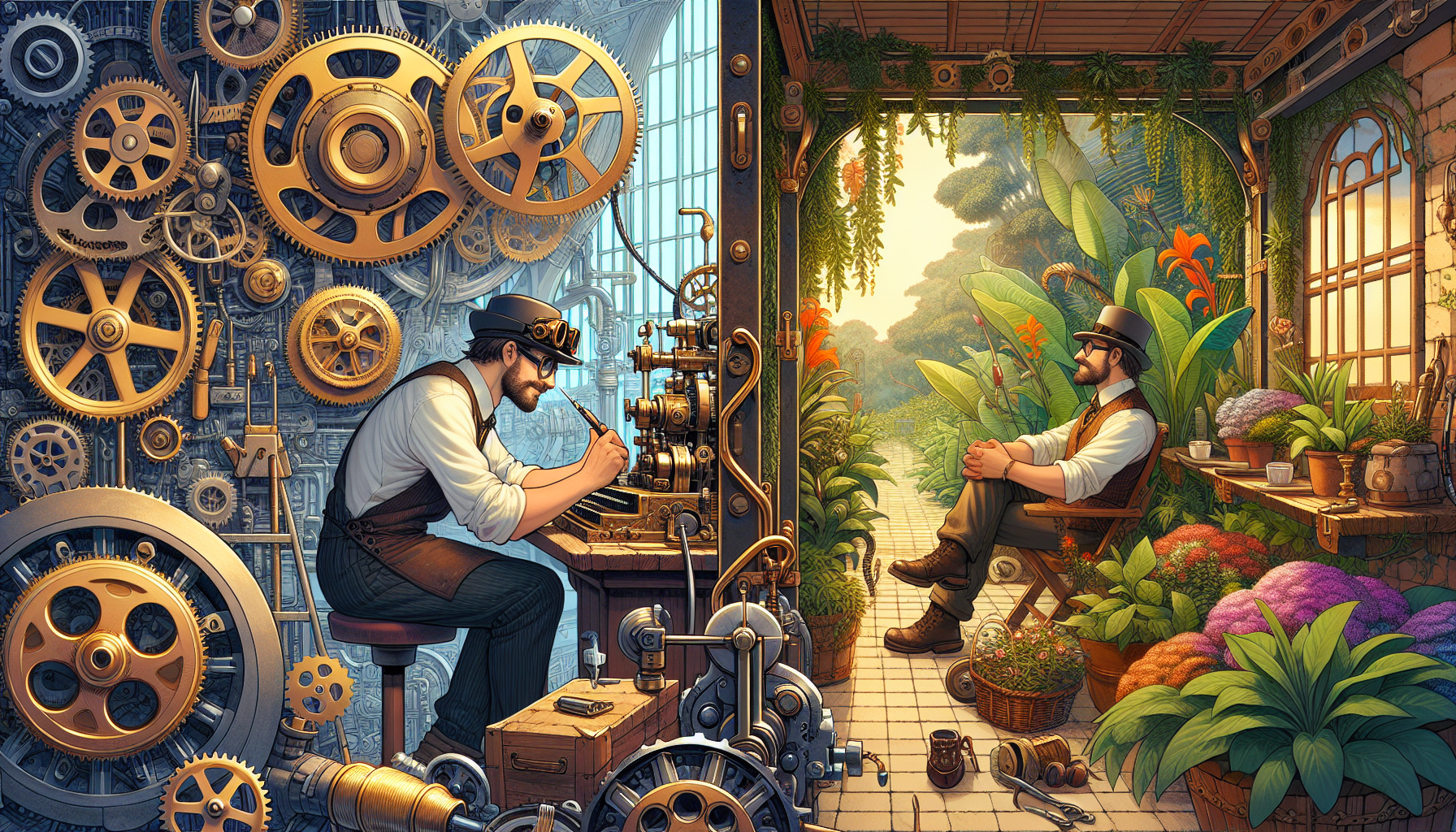
Establish Boundaries
In the age of smartphones and constant connectivity, it’s crucial to establish boundaries between your work and personal life. For instance, you could set a rule to stop checking emails or work-related social media after a certain time each day. Additionally, avoid answering work calls or emails during your personal time unless it is genuinely urgent.
Prioritize Your Health
Your overall physical, emotional, and mental health should be your main concern.
If you’re not healthy, you won’t be able to keep up with either work or personal commitments. Be sure to incorporate physical activity into your daily routine, stick to a healthy diet, get adequate sleep, and practice stress management techniques like mindfulness or meditation.
Schedule Regular Breaks
Be sure to schedule short breaks throughout your workday.
Even a five-minute pause can help refresh your mind, improve focus, and boost productivity. Longer breaks, such as a lunchtime walk in the park, can also contribute to a better work-life balance by reducing stress and promoting overall well-being.
Take Time Off
Employees who don’t take advantage of their vacation days are more likely to suffer from burnout, lower productivity, and diminished creativity. So don’t hesitate to take time off from work. It’s a chance to relax, explore new places, spend time with loved ones, or indulge in your favorite hobbies.
Remember, work-life balance doesn’t necessarily mean an equal balance.
Your best individual work-life balance will vary over time, sometimes on a daily basis. The right balance for you today might be different for you tomorrow.
The key is to ensure that work doesn’t consume your life and that you make time for hobbies, relationships, and relaxation. Ensuring you achieve a healthy work-life balance in today’s fast-paced world is not just beneficial for your well-being, but also for your productivity and career success.
Leave a Reply