Maintaining an Equilibrium: The Art of Work-Life Balance
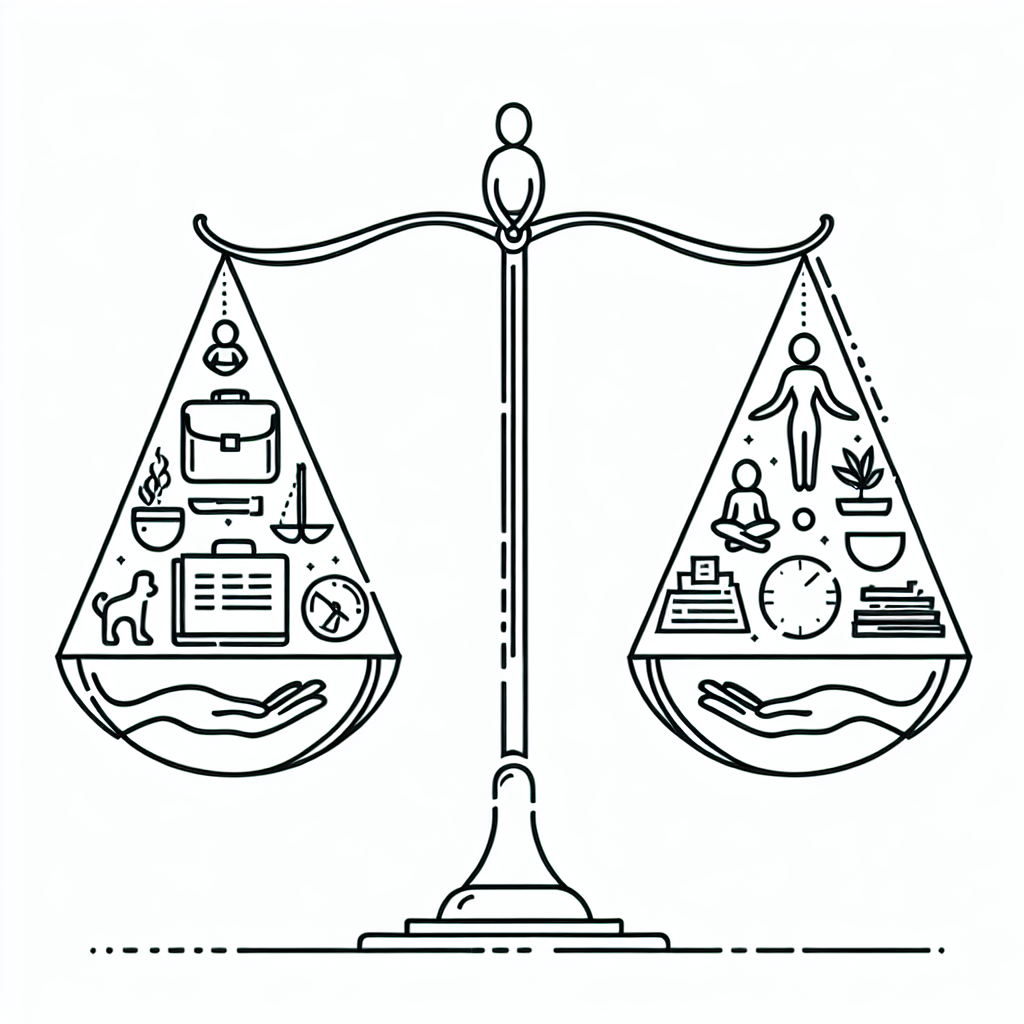
It’s an intriguing paradox that the more connected we become, the more challenging it is to maintain a harmonious balance between professional responsibilities and personal life. This delicate equilibrium, commonly referred to as work-life balance, has become a hot topic in recent times.
In our fast-paced modern world, achieving a perfect work-life balance might seem like an elusive goal, but it is not unattainable.
Work-life balance is not merely a trendy buzzword. It is an essential concept that plays a significant role in your overall well-being. It denotes the ability to distribute your time and energy adequately between work and other important aspects of life, such as family, hobbies, and self-care.
Why Work-Life Balance Matters
As we juggle work pressures, family responsibilities, and personal interests, it’s easy to get caught in a cycle of stress and burnout. The implications of a poor work-life balance are far-reaching, impacting mental and physical health, relationships, and overall quality of life. On the other hand, a well-balanced life can lead to improved mental health, increased productivity, and a heightened sense of satisfaction in all spheres of life.
Mastering the Balance: Strategies to Consider
While it might seem challenging to achieve, obtaining a work-life balance is possible with some practical strategies.
Here are a few tips to consider on your journey to a more balanced life.
1. Prioritize Your Time: Understand that time is a limited resource. Prioritize tasks based on urgency and importance. Use time management tools or apps to schedule your day, ensuring you allocate time for work, family, hobbies, and relaxation.
2.
Learn to Unplug: In our digitally connected world, it’s easy to be always “on.” Try to set some boundaries. After work hours, try to disconnect from work emails and calls. This practice helps to create a clear division between your work and personal life.
3. Practice Self-Care: Regular exercise, a balanced diet, and adequate sleep can do wonders for your well-being.
Set aside time each day for activities you enjoy, be it reading, gardening, or simply taking a walk. Such activities can help to reduce stress and enhance your mood.
4. Seek Support: You don’t have to do it all alone.
Seek help when necessary, be it at work or home. Delegating tasks can free up your time, allowing you to focus on other important aspects of your life.
5. Maintain Flexibility: Work-life balance does not mean an equal division of time. It’s about maintaining flexibility and adapting as your needs change. Some days might require more focus on work, while others might be centered around family or self-care.
The goal is to find a balance that fits your lifestyle.
Remember, achieving a work-life balance is not a one-size-fits-all concept.
What works best for one person may not work for another. It requires self-awareness, clear boundaries, and a constant reassessment of priorities. The journey towards a balanced life is an ongoing process, but with conscious effort and patience, it is within reach. After all, in the grand scheme of things, creating a life that encompasses work satisfaction and personal fulfillment is the ultimate goal.
Leave a Reply