In our rapidly evolving world, juggling professional responsibilities with personal obligations has become a significant challenge.
The concept of maintaining a harmonious work-life balance is more pivotal than ever before.
The rise of technology and the global pandemic have blurred the lines between personal and professional life, making it increasingly important to strive for equilibrium.
Work-life balance refers to a state of equilibrium where a person equally prioritizes the demands of one’s career and the demands of one’s personal life.
It’s not merely about dividing the hours in your day evenly but striking a balance that allows you to feel fulfilled both personally and professionally.
To effectively manage your professional and personal life, being organized is vital. Use a daily planner or digital calendar to map out your tasks and responsibilities, setting specific times for work, family, and leisure activities.
This approach not only helps manage time but also allows for clear boundaries between different areas of your life.
Embracing flexibility is also essential for an ideal work-life balance. Currently, numerous organizations are recognizing the importance of flexible working hours and remote working options. This shift allows employees to design a work schedule that fits their lifestyle and helps to reduce stress and prevent burnout.
Setting boundaries is another key factor in achieving a work-life balance. Make it a point to disconnect from work after office hours.
Resist the urge to check emails or attend to work-related matters during your personal time. Encouraging open communication about these boundaries with your employer or colleagues can create a more understanding and respectful working environment.
While attempting to find the right balance, remember to take care of your health. Regular exercise, a balanced diet, and sufficient sleep are crucial for your overall well-being.
These habits can help increase productivity levels and improve your mood, making it easier to handle daily stresses both at work and home.
Remember, the definition of work-life balance can vary for different individuals. For some, it could mean spending more time with family, while for others, it might mean dedicating time to hobbies or other personal interests.
It’s important to define what work-life balance looks like for you and take steps towards achieving it.
Also, it’s essential to realize that maintaining a work-life balance is not a one-time task but an ongoing process. Life changes, and so will your priorities. It’s okay to reevaluate and readjust your boundaries and goals regularly.
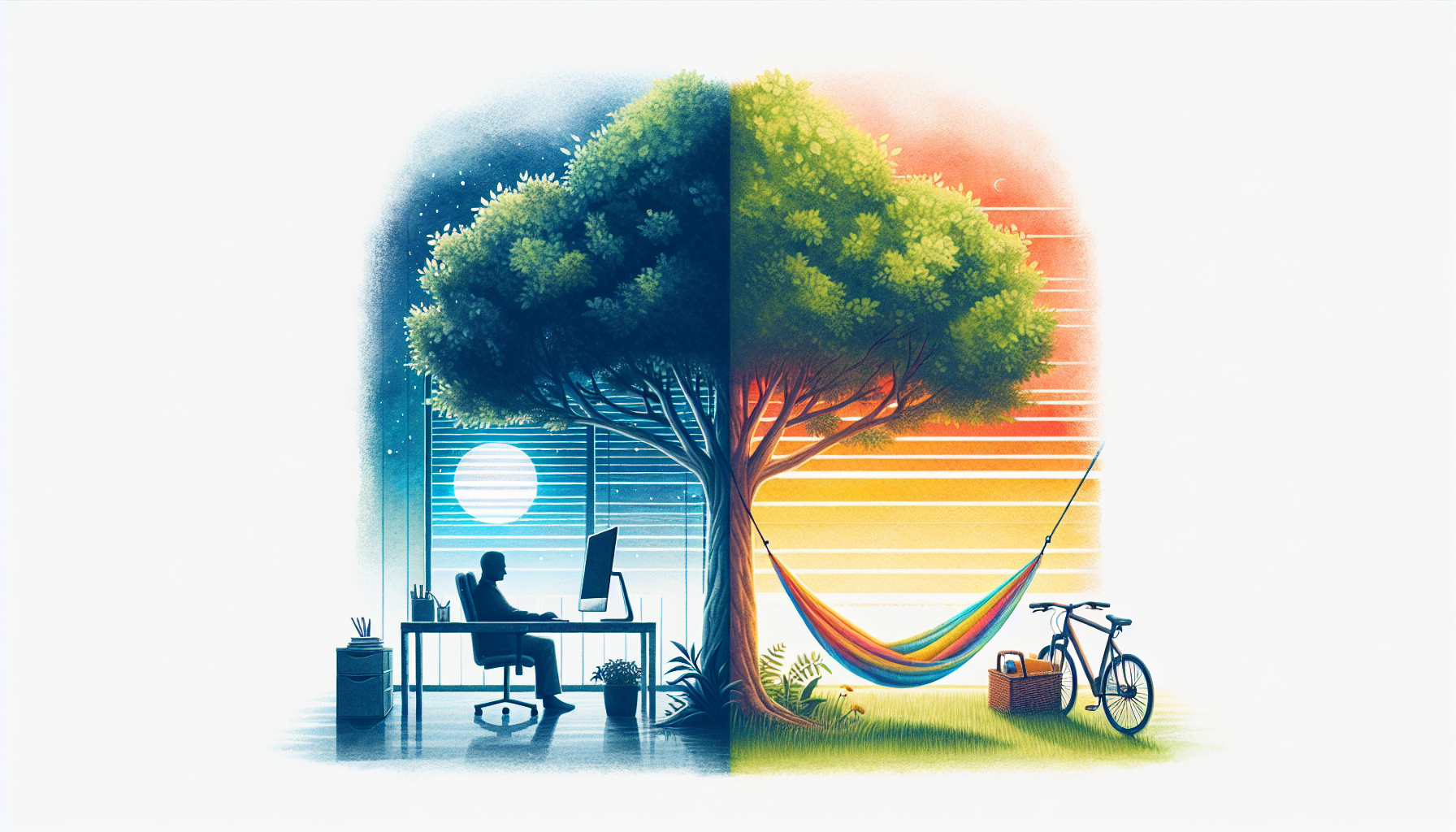
Despite the challenges, maintaining a healthy work-life balance is not impossible. Through careful planning, boundary setting, and flexibility, you can navigate the demands of your personal and professional life.
Achieving a balanced lifestyle not only contributes to your overall well-being but also leads to increased productivity and satisfaction in both your personal and professional life.
In the hustle and bustle of today’s world, remember that achieving a work-life balance is a journey, not a destination.
It’s about creating a fulfilling life that promotes overall wellbeing, contentment, and growth. So take a step today towards striking the perfect work-life balance and embrace a happier, healthier, and more fulfilling life.
Leave a Reply