Corporate Ethics: Practical Steps Companies Can Take to Build Trust and Avoid Risk
Corporate ethics is no longer a back-office concern. Today, reputation, risk management, and long-term value are tightly linked to ethical behavior across the organization. Companies that treat ethics as strategic can reduce legal exposure, protect brand equity, and attract customers, employees, and investors who prioritize integrity.
Why ethics matters now
Stakeholders expect more than compliance. Customers demand transparency, employees want meaningful values, investors look for resilient governance, and regulators scrutinize misconduct more closely.
Ethical lapses can trigger rapid reputational damage, costly penalties, and loss of talent. Conversely, strong ethical practices support innovation, retention, and sustained performance.
Foundations of an effective ethics program
– Tone from the top: Senior leaders must demonstrate consistent ethical behavior.
Public statements matter, but role-modeling daily decisions creates credibility.
– Clear policies and accessible guidance: Codes of conduct should be concise, actionable, and translated into plain language for every function. Practical examples help employees apply principles to real situations.
– Robust reporting channels: Confidential, well-advertised whistleblower mechanisms encourage timely disclosure. Independent investigations and follow-through are essential to build trust.
– Protection against retaliation: Policies and enforcement must guarantee that reporting concerns won’t lead to negative consequences for employees or contractors.
Strengthening culture through systems and training
An ethical culture combines norms, incentives, and systems that make the right choice the easy choice. Regular training should be scenario-based and role-specific, not just checkbox modules. Performance reviews and reward systems must align with ethical expectations—avoiding incentives that create perverse pressures to cut corners.
Governance and board oversight
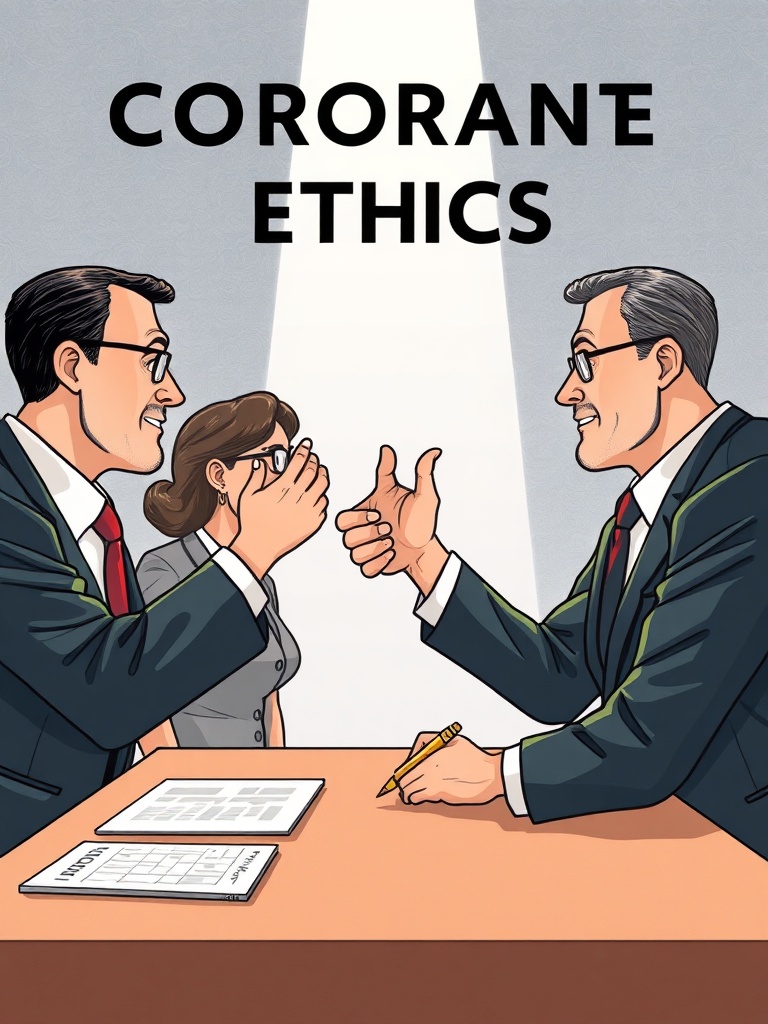
Boards play a critical role in setting the ethical framework. Effective oversight includes:
– Regular ethics risk assessments that inform strategy and resources
– Independent audits of high-risk areas like procurement and compliance
– Clear escalation paths for unresolved ethical issues
Addressing supply chain and third-party risk
Ethics extends beyond company walls. Supplier audits, contractual ethics clauses, and collaborative remediation plans help manage risk in complex global supply chains. Transparency in sourcing and public reporting on remediation efforts enhance credibility and reduce the chance of hidden liabilities.
Managing modern ethical challenges
Emerging technologies, sustainability claims, and data practices create new ethical dimensions. Companies should:
– Ensure transparency around sustainability and avoid overstating claims that can be perceived as greenwashing
– Implement privacy-by-design and be candid about data use and limits
– Evaluate decisions made by automated systems for fairness and accountability
Measuring ethics and demonstrating progress
What gets measured gets managed. Useful metrics include reporting volume and outcome rates, training completion with comprehension checks, remediation timeframes, and employee perception surveys focused on psychological safety and trust. Regularly publishing an ethics or sustainability report with verified metrics can strengthen stakeholder confidence.
Building long-term value through integrity
Ethical companies attract talent, reduce operational disruptions, and foster stronger customer relationships. Investing in ethics is an investment in resilience. Practical steps—clear leadership, accessible policies, protected reporting, targeted training, and transparent measurement—create a virtuous cycle: better decisions, fewer scandals, and a stronger foundation for sustainable growth.
Take action: start by mapping your top ethical risks, testing your whistleblower channels, and aligning incentives so behavior and values move in the same direction.
Leave a Reply