Career growth is less about luck and more about a deliberate, repeatable process. Whether you’re aiming to move up inside your current organization, pivot to a new field, or increase your market value, a focused strategy will accelerate progress and reduce wasted effort. Here are practical steps to build momentum and make measurable gains.
Clarify what “growth” means for you
Growth can mean promotion, higher compensation, greater responsibility, broader impact, or a change of role.
Start by defining one to three specific outcomes you want. Turn vague hopes into concrete objectives—examples: lead a cross-functional team, transition into product management, or increase billable rates. Clear goals help you choose the right skills to develop and the right people to connect with.
Prioritize skill stacking over single-skill mastery
Employers reward combinations of complementary skills. Pair technical strengths with communication, project management, or domain knowledge to create a unique, hard-to-replace profile. Map the critical skills for your target role and focus on the intersection that aligns with your strengths and interests. Short, project-based learning often beats passive consumption—build something that demonstrates capability.
Build a visible portfolio of work
Visibility is a career multiplier. Maintain a portfolio—both internal (team presentations, process improvements) and external (case studies, GitHub, writing, talks)—that showcases impact. Whenever possible, quantify results: revenue influenced, efficiency gains, user growth, error reduction. Numbers cut through ambiguity and make performance easy to evaluate.
Network with intent
Networking is not collecting contacts; it’s creating a network of mutual value. Schedule informational conversations, offer to help with small projects, and share resources that matter to others. Focus on three relationship tiers: mentors (long-term guidance), peers (mutual support), and sponsors (people who advocate for you formally). Regular, small investments—brief check-ins and helpful introductions—compound over time.
Seek feedback and iterate quickly
Request specific, timely feedback after major projects and use it to create a short development plan. Frame feedback conversations around performance metrics and desired outcomes to keep them actionable. Regular feedback closes skill gaps faster than solo practice.
Increase internal visibility strategically
Influence often starts inside your organization. Volunteer for cross-team initiatives, present at town halls, or lead a pilot project. The goal is to demonstrate leadership and the ability to deliver beyond your job description.
Keep stakeholders updated with concise status reports that highlight outcomes, not just activity.
Negotiate smarter
Preparation raises the odds of favorable outcomes. Gather market data, document recent wins with measurable impact, and practice negotiation scenarios. When discussing promotion or compensation, anchor conversations in value provided and next-level responsibilities you can assume.
Create a learning rhythm
Instead of sporadic bursts, adopt a steady learning rhythm. Block time weekly for skill-building, project work, and relationship maintenance. Short, consistent habits—reading industry newsletters, practicing a technology, or writing a short post—sustain momentum.
Mentorship and sponsorship are different—cultivate both
Mentors advise; sponsors advocate.
Look for mentors who teach and challenge your thinking, and seek sponsors who can champion you for opportunities.
Sponsor relationships often form after demonstrating consistent, visible impact.
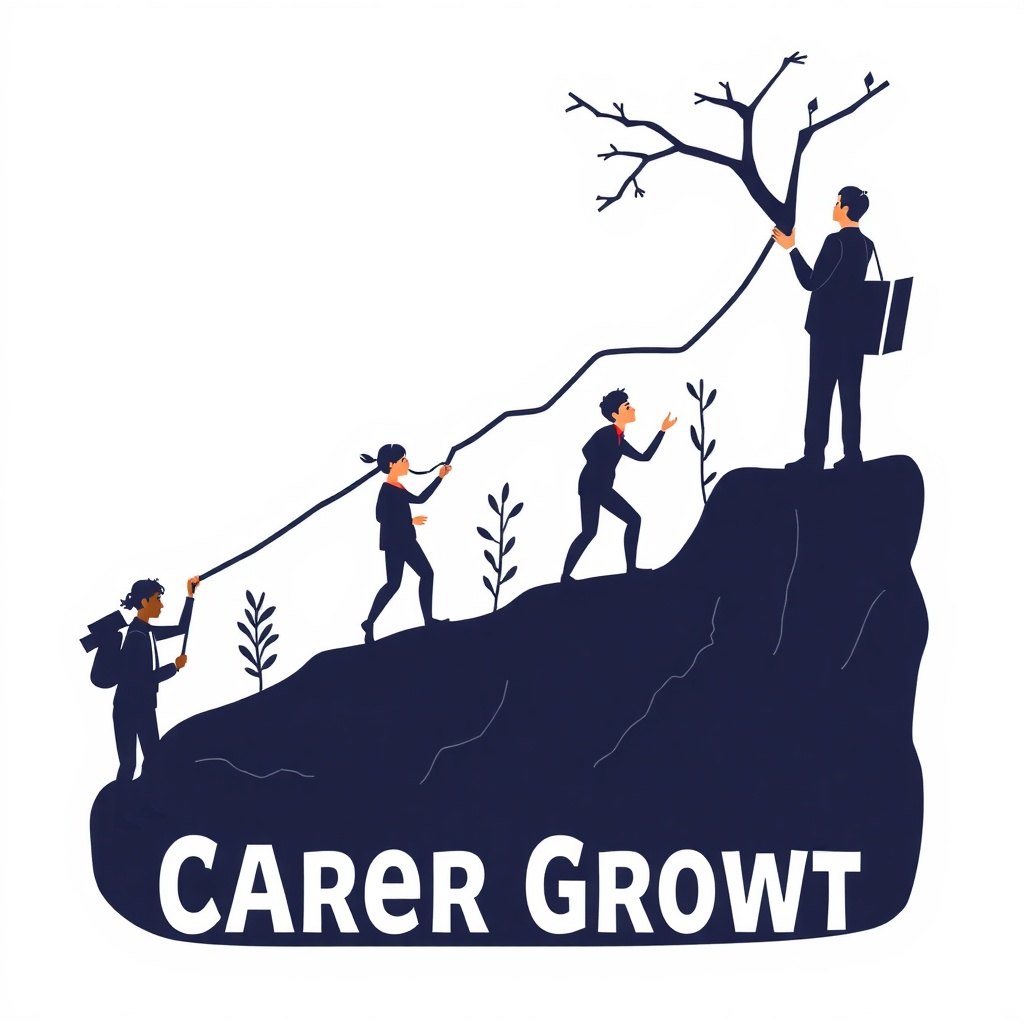
Take measurable risks
Lateral moves, stretch assignments, and early-stage initiatives carry risk but accelerate learning and visibility. Evaluate risk with a short-run/long-run lens: will the experience build transferable skills or relationships that compound later?
Actionable next steps
– Define one stretch goal and three metrics that show progress.
– Choose two complementary skills to develop this quarter and start a small project that proves them.
– Schedule one informational conversation with a potential mentor or peer each month.
– Document three recent wins and quantify their impact for use in reviews or negotiations.
Intentional career growth is a series of small, disciplined moves that accumulate into major leaps. Focus on clarity, visible impact, and relationships—those levers produce lasting acceleration.
Leave a Reply