Work-life balance isn’t a one-size-fits-all concept — it’s a continuous practice of aligning work demands with personal priorities so both thrive. As remote and hybrid arrangements become part of everyday life, navigating boundaries, managing energy, and communicating expectations are essential to avoiding burnout and sustaining productivity.
Why it matters
Poor balance quickly affects performance, mental health, and relationships. When work bleeds into personal time, recovery and focus suffer.
Conversely, a clear balance supports creativity, reduces stress, and improves retention for employers.
Getting it right benefits individuals, teams, and organizations.
Practical strategies for individuals
– Define non-negotiables: Identify daily or weekly activities that recharge you (exercise, family time, hobbies) and treat them as fixed appointments. Protecting these blocks reduces reactive behavior.
– Time-block for focus: Schedule deep-work periods and label them “Do Not Disturb.” Batch similar tasks to reduce context switching and finish the day with a short wrap-up to avoid carryover.
– Set digital boundaries: Turn off notifications for non-urgent channels after work hours. Use status tools (calendar, messaging apps) to signal availability clearly.
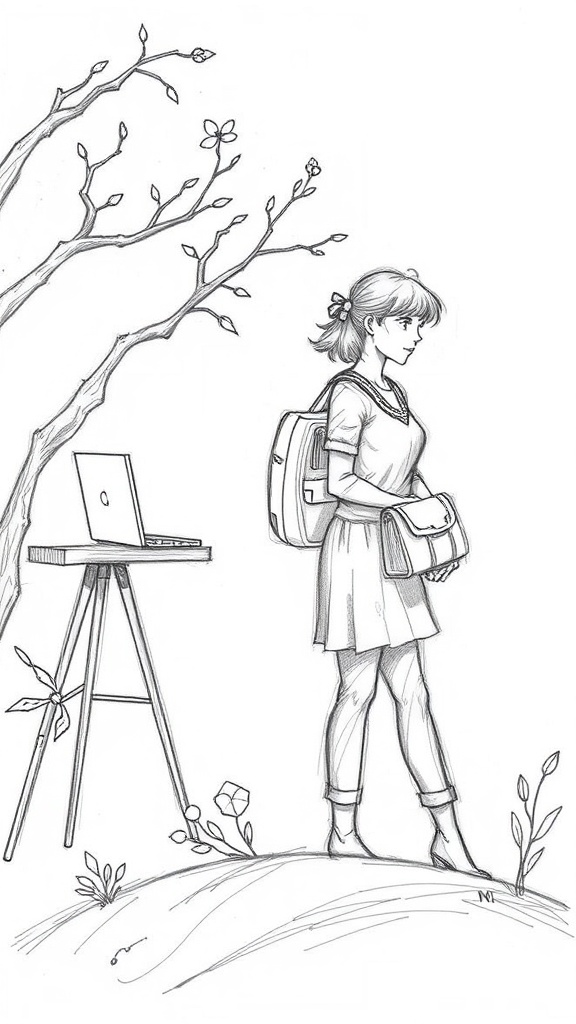
– Practice psychological detachment: Create rituals that mark the end of the workday — a short walk, changing clothes, or a simple breathing exercise. These transitions help the brain shift modes.
– Negotiate a flexible schedule: If responsibilities fluctuate, propose measurable results-based arrangements rather than strict time tracking.
Focus on deliverables and communication norms.
– Prioritize rest: Sleep and downtime are productivity multipliers. Schedule weekend recovery or micro-breaks during long workdays to sustain energy.
Team and manager actions that help
– Lead by example: Managers who respect off-hours and take time off set a tone that reduces guilt across teams.
– Clarify expectations: Define response windows, meeting-free blocks, and project milestones. Clear norms reduce unnecessary late-night work.
– Offer flexibility: Allow staggered hours, condensed weeks, or partial remote work when feasible. Flexibility reduces friction for caregiving and personal commitments.
– Monitor workload, not time: Track task load and ask about capacity regularly.
Protecting people from chronic overload prevents turnover.
Tools that support balance
– Calendar hygiene apps to automate time blocking
– Async communication platforms to reduce meeting volume
– Focus apps (pomodoro timers, website blockers) for concentrated work
– Shared team status boards to show availability and priorities
Common pitfalls to avoid
– Over-optimizing for productivity at the cost of recovery
– Blurring visibility with presence — being always online doesn’t mean higher contribution
– Relying solely on individual discipline instead of shaping systemic norms
Measuring progress
Track metrics that reflect quality, not just hours: task completion rates, employee engagement scores, and frequency of deep-work blocks. Regularly solicit feedback and iterate on policies based on real experiences.
Sustainable work-life balance is an ongoing effort that blends personal habits with thoughtful team practices. Small, consistent changes — defended time blocks, clear norms, and respectful leadership — compound into better focus, well-being, and results.
Leave a Reply