Work-life balance has moved from a nice-to-have to a core component of sustainable performance and wellbeing. As work becomes more flexible and always-connected, intentionally designing how you spend time and energy matters more than ever.
The right balance boosts productivity, reduces burnout, and supports healthier teams — for individuals and organizations alike.
Why balance matters
Poor boundaries lead to chronic stress, lower creativity, and higher turnover.
Conversely, clear routines and outcome-focused expectations increase engagement, improve decision-making, and free up time for recovery and relationships. Balance isn’t about a perfect split of hours; it’s about aligning work demands with personal priorities so both can thrive.
Practical strategies for individuals
– Set nonnegotiable boundaries: Block core personal time on your calendar for sleep, exercise, and family. Treat those blocks like work meetings.
– Time-block for focused work: Reserve uninterrupted chunks for high-value tasks. Use a simple framework: plan, protect, and execute.
– Embrace asynchronous communication: Use email and message tools for non-urgent updates. Label urgent items clearly and avoid immediate-response expectations.
– Turn off notifications: Use Do Not Disturb during focus periods and after work hours. Short silences reduce decision fatigue and help you decompress.
– Batch tasks: Group similar activities (calls, emails, admin) to reduce context switching and improve efficiency.
– Use micro-breaks: Short walks, stretching, or a few minutes of mindful breathing can reset attention and reduce stress.
– Learn to say no: Prioritize tasks that align with your goals. Declining or delegating lower-value requests preserves capacity for what matters most.
Strategies for managers and organizations
– Focus on outcomes, not hours: Measure performance by results and impact rather than time spent online. This encourages efficiency and trust.
– Offer flexible scheduling: Allow people to adjust hours around peak productivity, caregiving, and personal needs. Flexibility is a major retention lever.
– Promote asynchronous norms: Encourage written updates and flexible response windows to reduce meeting overload and interruptions.
– Provide mental health support: Access to counseling, wellbeing programs, and generous leave policies signals organizational commitment to employee health.
– Model healthy behavior: Leaders who disconnect and respect boundaries set a powerful precedent for teams.
Designing your environment
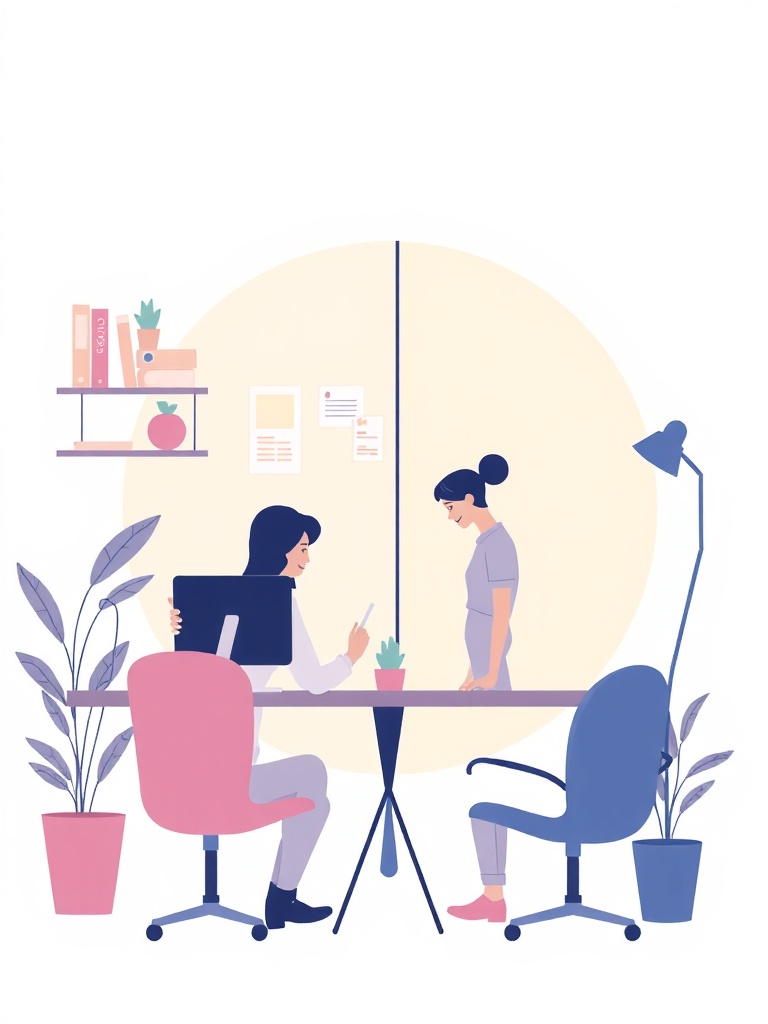
Create a dedicated workspace even if it’s a small corner. Physical separation helps signal work mode versus personal time. Use two simple rules: keep work tools out of personal spaces whenever possible, and create a daily start-up and shutdown ritual (e.g., review priorities at the start, clear the desk and log off at the end).
Measuring what matters
Track outcomes like task completion, project milestones, and subjective wellbeing indicators (energy, stress levels) rather than hours. Run short experiments — adjust a habit for a week and assess whether focus and satisfaction improved. Small, measurable changes compound into meaningful improvements.
Start small
Work-life balance is a practice, not a one-time fix. Begin with one change — a protected evening, a phone-free morning, or a clear end-of-day ritual — and build from there. The goal is steady, sustainable improvement that supports both performance and a fulfilling life outside of work.
Leave a Reply