Practical strategies for better work-life balance in a hybrid world
Work-life balance has moved from a nice-to-have to a core driver of performance and retention.
With remote and hybrid setups now common, the opportunity to shape a healthier rhythm between work and life is greater — if approached deliberately.
Below are practical, actionable strategies that help protect focus, energy, and relationships while still meeting professional goals.
Clarify priorities and set boundaries
– Audit where time goes: Track a typical week to identify time drains and peak productivity windows. Use that insight to protect high-value work times.
– Block deep work: Schedule uninterrupted blocks on calendars and label them clearly so teammates know when not to schedule meetings.
– Define off-hours: Communicate preferred response windows and stick to them. When work is expected to be asynchronous, reduce pressure to reply instantly.
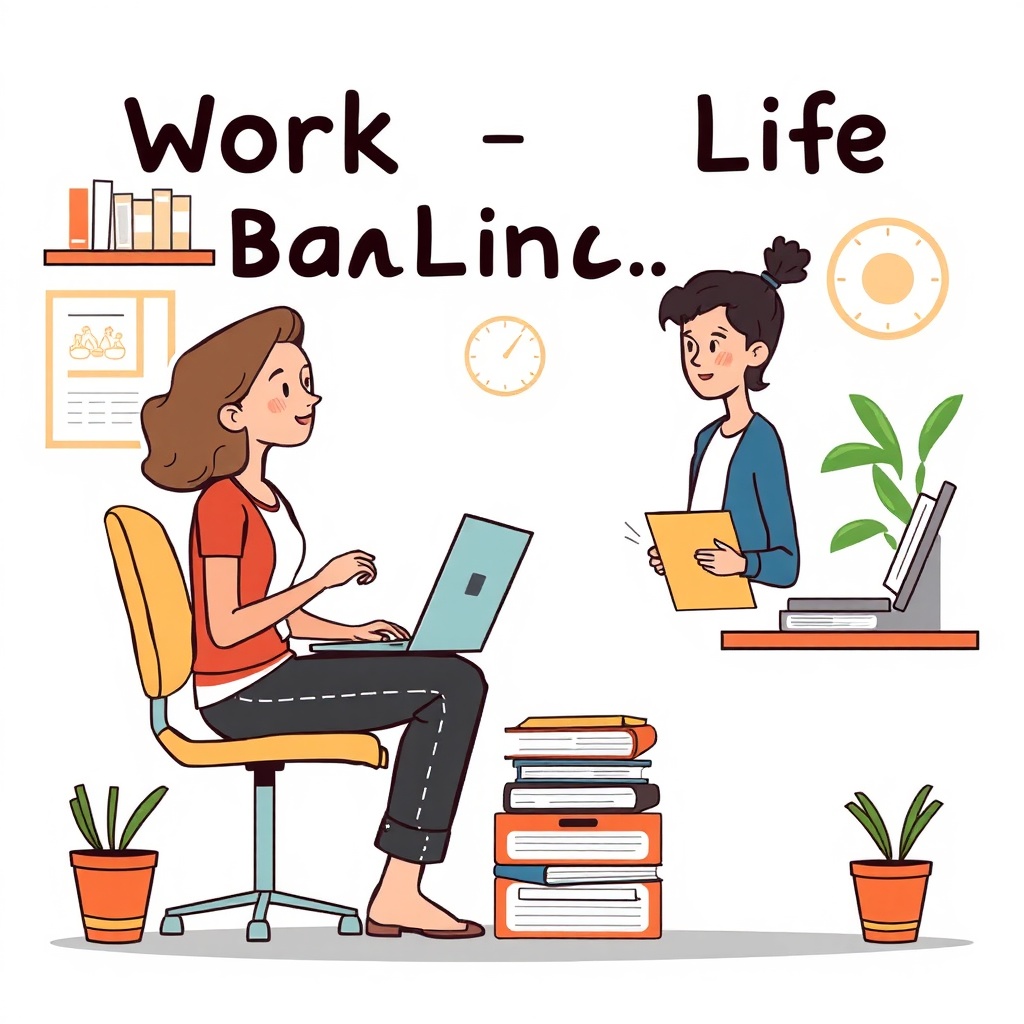
Design your environment for separation
– Create a dedicated workspace: Even a small, consistent spot signals the brain that it’s time to work. When possible, physically leave that space at day’s end to create psychological separation.
– Use rituals for transitions: A brief walk, a 5-minute meditation, or changing clothes at the end of the workday helps mark the boundary between roles.
– Limit blur by tech rules: Adopt phone or app settings that mute work notifications outside work hours, and build a short nightly routine to clear any remaining tasks.
Master communication habits
– Commit to asynchronous-first: Reserve meetings for work that benefits from real-time interaction. Use documented updates for status and decisions instead of reactive calls.
– Set meeting guardrails: Encourage agendas, time limits, and optional camera policies so meetings are concise and inclusive.
– Use status signals: Shared calendar statuses and messaging app presence reduce interruptions and set expectations about availability.
Prioritize recovery and micro-replenishment
– Schedule breaks like meetings: Short, regular breaks boost attention and creativity. Try 50/10 cycles or similar patterns that fit personal rhythm.
– Optimize recovery activities: Quality sleep, movement, and purposeful downtime are high-return investments.
Even brief exercise or fresh air resets energy.
– Plan meaningful non-work time: Block evenings or weekends for activities that replenish — hobbies, family rituals, or focused rest.
Build supportive policies and culture
– Advocate for meeting-free windows: Zone-based meeting policies or core-hour limits make focused work realistic for everyone.
– Normalize flexible work: Respect varied schedules and caregiving demands; flexibility supports loyalty and reduces burnout.
– Model boundary-setting from leadership: When leaders protect off hours and adhere to calendar etiquette, teams feel safer doing the same.
Small habits that move the needle
– Say no strategically: Prioritize opportunities that align with goals and politely decline or delegate the rest.
– Batch communications: Respond to email and messages in set windows to avoid constant context switching.
– Review weekly: A short end-of-week review of wins and priorities reduces anxiety and clarifies what to carry forward.
Start with one change this week — a protected deep-work block, a no-meeting afternoon, or a phone-do-not-disturb routine — then build gradually.
Sustainable work-life balance isn’t an all-or-nothing destination; it’s a collection of repeatable decisions that protect time, energy, and relationships while supporting productive work.
Leave a Reply