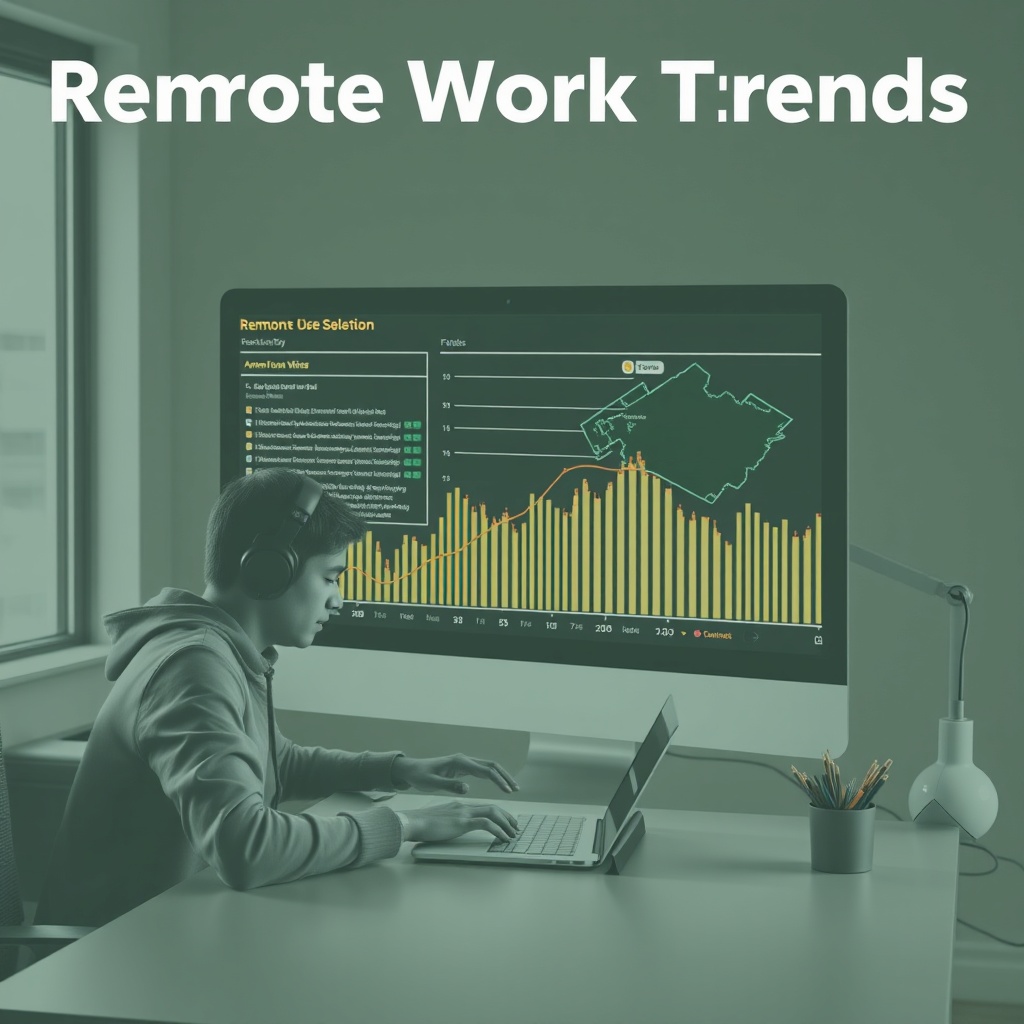
Remote work trends continue to reshape how companies hire, manage teams, and design work experiences. The shift toward distributed teams is moving beyond a temporary experiment into a strategic advantage for organizations that adapt practices, tools, and culture to support long-term remote work.
Key trends shaping remote work
– Asynchronous-first communication: Teams are prioritizing async workflows to reduce meeting overload and respect time zones. Documentation, recorded video updates, and shared project boards enable focus time and clearer handoffs.
– Outcome-based productivity: More companies measure output and impact instead of hours logged. Clear KPIs, project milestones, and regular check-ins replace traditional time-based supervision, improving autonomy and accountability.
– Hybrid and remote-first models: Flexible arrangements range from fully remote to hybrid setups with neighborhood hubs or periodic in-person retreats.
Remote-first companies design processes assuming people are distributed, making in-office time optional rather than required.
– Distributed talent pools: Hiring across geographies gives access to specialized skills and diversity of thought.
However, it raises considerations around compensation equity, tax and benefits compliance, and thoughtful onboarding to integrate new hires.
– Focus on employee wellbeing and burnout prevention: With blurred boundaries, employers are offering mental health benefits, ergonomic stipends for home offices, structured PTO, and manager training to recognize signs of burnout.
– Enhanced cybersecurity and Zero Trust: Protecting remote endpoints and data requires multi-factor authentication, single sign-on, device management, and phishing-resistant training. Zero Trust architectures are becoming standard for secure distributed work.
– Better remote onboarding and career development: Companies are investing in structured onboarding programs, mentorship, and clear career paths to retain remote talent. Virtual shadowing, onboarding checklists, and regular feedback loops increase new hire success.
Practical ways to implement remote-first success
1. Set clear communication norms: Define when to use chat, email, async docs, and video. Establish overlapping “core hours” for synchronous collaboration while allowing flexible schedules.
2.
Design outcome-based goals: Translate strategic priorities into measurable objectives.
Use regular OKR or project reviews to align efforts and reduce ambiguity about expectations.
3.
Invest in async tools and knowledge hubs: Centralize docs and decisions in searchable platforms to prevent tribal knowledge and reduce repeated questions. Tools that support versioning and comments make async collaboration more effective.
4. Strengthen security posture: Require MFA, roll out endpoint protection, and implement role-based access.
Provide regular, interactive security training tailored to distributed work risks.
5. Prioritize onboarding and belonging: Create a 30-60-90 day roadmap for new hires, assign a buddy, and schedule recurring check-ins to foster connection.
Encourage cross-functional projects to expand networks.
6. Offer flexible benefits: Consider stipends for coworking, home office equipment, wellness, and stipends for internet expenses.
Tailor offerings with regional sensitivity to ensure fairness.
Metrics to track success
– Time-to-productivity for new hires
– Employee engagement and retention rates
– Project delivery against deadlines and quality metrics
– Usage of async documentation and meeting-free hours
– Security incident frequency and compliance audit results
Remote work is increasingly an organizational design choice rather than a temporary accommodation. Companies that build intentional processes, support wellbeing, and measure results rather than presence will be best positioned to attract talent, reduce overhead, and sustain high performance while distributed.
Leave a Reply