Workplace culture shapes how people feel, collaborate, and perform. When culture is intentional, it becomes a competitive advantage: it attracts talent, increases engagement, and sustains innovation. Today’s workplaces demand cultures that blend flexibility with connection, psychological safety with accountability, and clear values with adaptable practices.
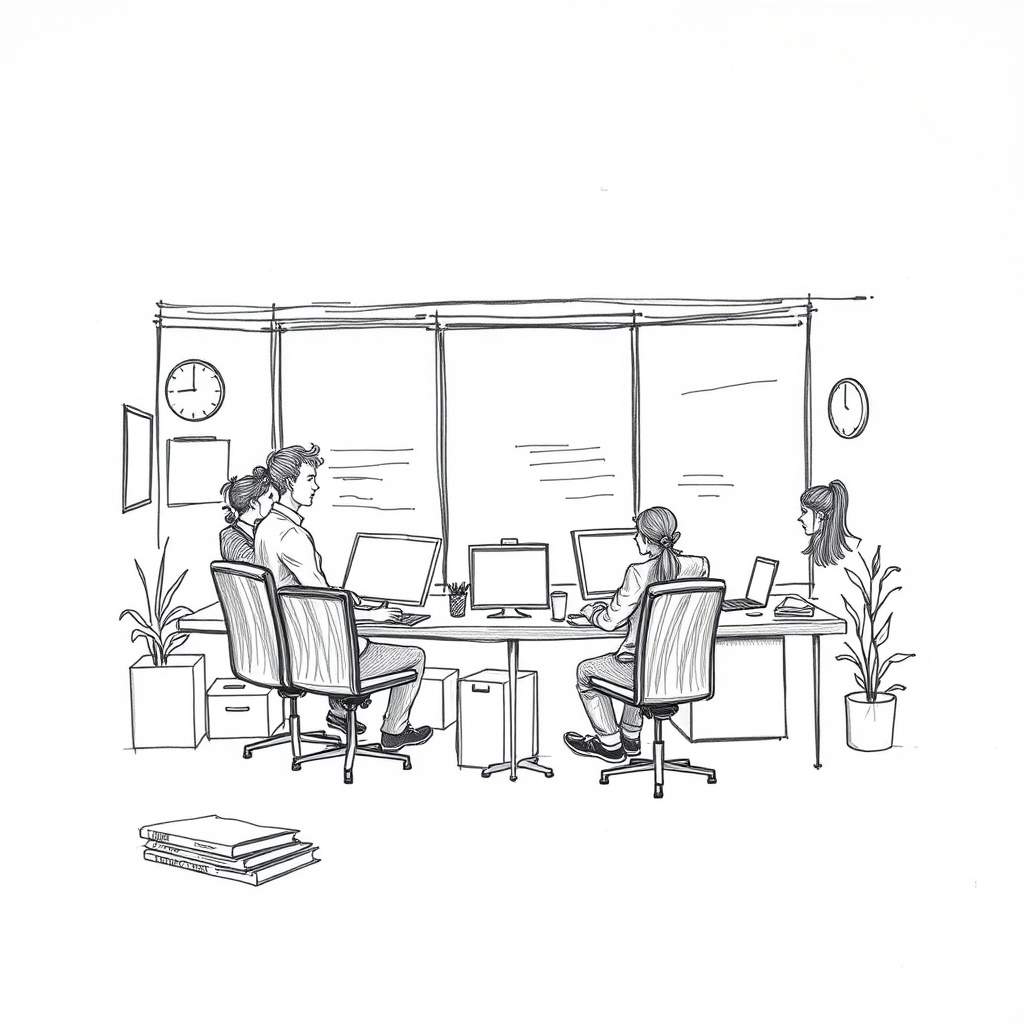
What strong workplace culture looks like
– Psychological safety: Team members can share ideas, raise concerns, and admit mistakes without fear of retribution.
This fuels creativity and faster problem solving.
– Clear values and behaviors: Values are more effective when paired with observable behaviors—how decisions are made, how conflicts are resolved, and how success is celebrated.
– Inclusive practices: Diversity without inclusion leads to disengagement. Inclusive cultures ensure everyone has voice, access to growth, and a sense of belonging.
– Meaningful recognition: Regular, role-specific recognition reinforces desired behaviors and motivates repeat performance.
– Flexibility with boundaries: Flexibility supports work-life balance, but clear boundaries prevent burnout and maintain team alignment.
Practical steps leaders can take
1. Model the culture you want. Leaders’ actions signal what’s acceptable. Prioritize transparency, admit mistakes, and show how values guide decisions.
2. Hire for cultural add, not just cultural fit. Look for candidates who bring complementary perspectives and can strengthen teams while aligning with core values.
3. Build rituals that connect remote and hybrid teams. Short weekly check-ins, rotating “show-and-tell” sessions, and virtual coffee pairings create human moments that scale.
4. Create safe feedback loops. Train managers to ask better questions, use anonymous pulse surveys, and act quickly on recurring themes. Closing the feedback loop is vital for trust.
5. Measure and iterate.
Track engagement metrics, retention, and qualitative feedback. Small, frequent adjustments beat one-off culture initiatives.
Designing for hybrid and remote work
Remote and hybrid setups require deliberate design. Define expectations for availability, communication channels, and decision-making cadence.
Favor asynchronous documentation—clear written summaries reduce unnecessary meetings and preserve context. When teams meet synchronously, prioritize connection and agenda discipline to make those moments productive and energizing.
Fostering belonging and inclusion
Inclusion is a continuous practice.
Encourage equitable meeting norms—rotate facilitation, invite input from quieter participants, and provide alternative ways to contribute (chat, shared docs).
Offer development pathways that remove barriers: mentorship programs, sponsorship for stretch assignments, and skills development tied to progression.
Preventing burnout and supporting well-being
Make well-being a cultural priority. Normalize time off, enforce meeting-free blocks, and encourage managers to discuss workload proactively. Offer resources that address mental, physical, and financial wellness, but pair benefits with manager training so supports are actually used.
Quick wins to improve culture this quarter
– Run a one-question pulse survey about psychological safety and act on the top suggestion.
– Publicly recognize one team member per week for behavior that exemplifies company values.
– Launch a mentorship pilot pairing newer employees with experienced peers.
– Implement two meeting-free afternoons per month to protect deep work.
A thriving workplace culture takes consistent effort and small, sustainable experiments. By centering psychological safety, clarity, inclusion, and flexible structures, organizations can create environments where people do their best work and stay engaged over the long term.
Leave a Reply