Designing a resilient workplace culture for hybrid teams
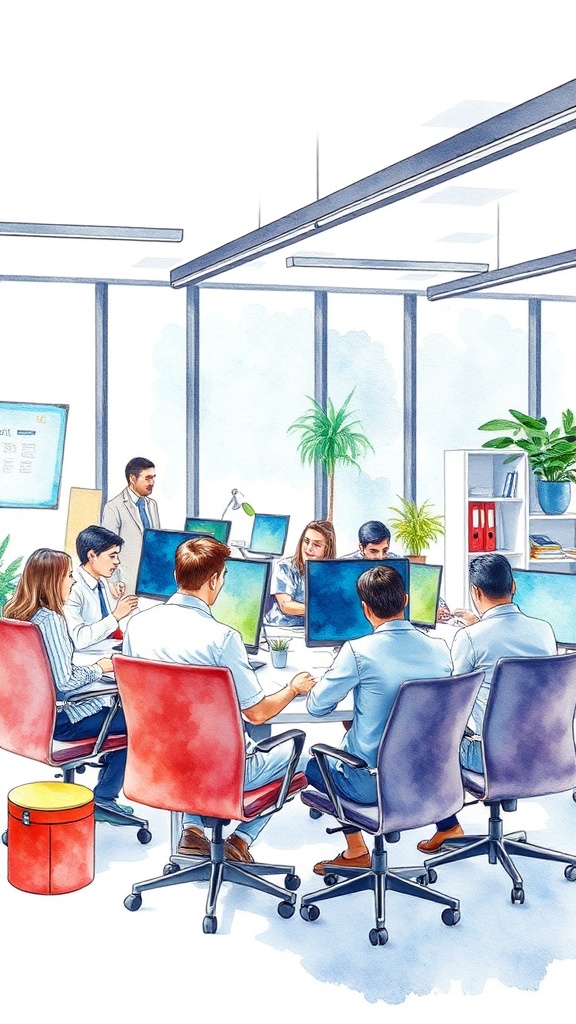
Workplace culture no longer lives only inside office walls. As work patterns evolve, culture should be intentionally designed so hybrid and remote employees feel connected, productive, and supported. A resilient culture balances flexibility with clarity, prioritizes psychological safety, and aligns daily behaviors with organizational values.
Why culture matters in hybrid environments
A strong culture influences retention, collaboration, and performance. When team members understand expectations, feel trusted, and experience belonging, they contribute ideas more freely and move faster. Conversely, unclear norms or uneven access to information create friction, resentment, and hidden churn.
Core principles to build and sustain culture
– Psychological safety: Encourage open dialogue, respectful disagreement, and visible leader vulnerability. People must feel safe to admit mistakes and share ideas without fear of punishment.
– Intentional rituals: Regular rituals — like weekly check-ins, synchronous planning sessions, and virtual coffee hours — create predictable touchpoints that reinforce belonging.
– Asynchronous-first communication: Favor documented updates, clear agendas, and shared decision records so those in different time zones or schedules stay aligned.
– Equity by design: Create norms that prevent in-office bias.
Use cameras selectively, rotate meeting times, and standardize how promotions and recognition are decided.
– Outcomes over visibility: Measure contributions by results, not by who appears online the longest.
Practical actions leaders can take
– Set communication standards: Define which tools are used for what purpose (e.g., instant chat for quick questions, project docs for decisions) and document expected response windows.
– Run structured remote onboarding: New hires should receive a cultural playbook, clear role expectations, and scheduled touchpoints with peers and mentors to accelerate belonging.
– Train managers on hybrid leadership: Invest in coaching that covers bias-awareness, remote performance management, and inclusive meeting facilitation.
– Promote deliberate rituals: Use recurring town halls, cross-functional demo days, and celebration rituals that are accessible to all team members.
– Protect focused work: Encourage “no-meeting” blocks and shared calendar norms so employees can plan deep work without penalty.
Metrics that reveal cultural health
Track both quantitative and qualitative signals:
– Employee engagement and eNPS scores, collected regularly and anonymously
– Turnover rates, with exit interview themes segmented by team and location
– Participation rates in meetings and optional rituals (who attends and who doesn’t)
– Time-to-productivity for new hires, measured through milestone completion
– Inclusion indicators, such as who speaks in meetings and who gets recognized
Common pitfalls to avoid
– Assuming presence equals contribution: Avoid rewarding visible busyness; reward impact.
– Over-communicating without clarity: Frequent messages that lack purpose erode attention and trust.
– Treating hybrid as “remote plus office”: Hybrid-first design means processes and tools must serve both co-located and distributed employees equally.
– Ignoring boundary erosion: Respect personal time and discourage always-on expectations to prevent burnout.
Small investments, big returns
Small changes—clear meeting agendas, documented decisions, manager training— compound quickly. When leaders model vulnerability, distributed teams adopt the same norms, making collaboration smoother and more creative.
A resilient workplace culture built for hybrid realities attracts and retains talent, reduces friction, and keeps teams focused on outcomes rather than optics.
Practical starter checklist
– Publish a culture playbook for every hire
– Standardize meeting etiquette and agenda templates
– Schedule manager check-ins focused on development, not just task updates
– Rotate meeting times to share convenience and inconvenience fairly
– Run quarterly pulse surveys and act on the top two themes
Focusing on these fundamentals helps organizations create a culture that is adaptable, inclusive, and built to last across any way of working.
Leave a Reply