Workplace culture shapes how teams collaborate, how problems are solved, and how people feel about coming to work. A healthy culture is more than perks and slogans—it’s a system of shared values, habits, and practices that guide daily behavior. Focus on building culture intentionally and you’ll see better engagement, lower turnover, and stronger results.
What makes strong workplace culture
– Psychological safety: People need to feel safe to speak up, make mistakes, and challenge ideas without fear of reprisal. When leaders model vulnerability and invite dissent, creativity and learning accelerate.
– Clear values and norms: Values must be lived, not just posted on a wall. Translate broad principles into concrete behaviors so everyone knows what’s expected during conflict, decision making, and customer interactions.
– Consistent leadership behavior: Culture cascades from the top. Leaders who align words with actions—showing fairness, transparency, and accountability—set the tone for the whole organization.
– Recognition and growth: Regular, specific recognition and visible development pathways keep people motivated and reduce burnout.
Celebration of both small wins and long-term achievements matters.
– Inclusive practices: Inclusive cultures tap diverse perspectives and expand innovation. That requires intentional hiring, equitable policies, and structured opportunities for different voices to lead and contribute.
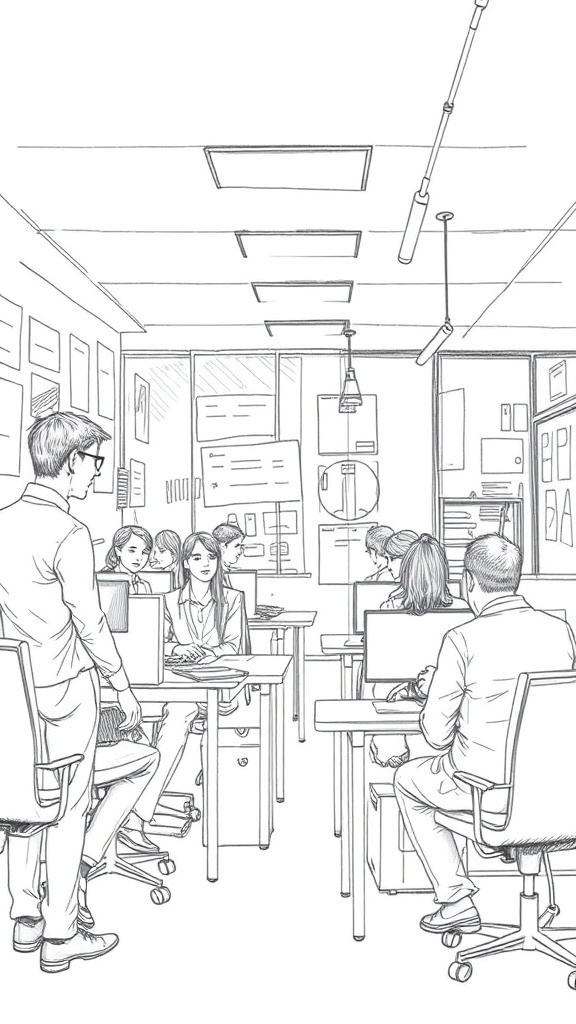
Designing culture for hybrid and remote teams
Remote and hybrid models require deliberate rituals to replace hallway interactions.
Create predictable touchpoints: weekly team check-ins, asynchronous decision logs, and office days focused on collaboration rather than routine tasks.
Emphasize outcomes over hours—track deliverables and impact, not just presence on calls. Set clear norms for communication (response-time expectations, use of synchronous vs. asynchronous channels) and respect boundaries by discouraging after-hours meetings unless necessary.
Practical steps leaders can take
– Make onboarding a culture-first process: New hires should experience key rituals and meet culture champions early. A robust mentorship or buddy system fast-tracks social integration.
– Codify decision-making: Define who decides what and how. Use simple templates for proposals and retrospectives so decisions are transparent and learnings are captured.
– Create safe feedback loops: Encourage upward feedback through anonymous surveys, skip-level meetings, and structured one-on-ones.
Act on feedback visibly to build trust over time.
– Prioritize mental health: Offer flexible schedules, blackout time for deep work, and access to resources. Normalize conversations about workload and stress.
– Measure what matters: Use a mix of quantitative and qualitative indicators—engagement scores, retention rates, eNPS, plus narrative feedback and exit interview themes. Track trends and tie insights to action plans.
Everyday rituals that reinforce culture
Small, routine practices shape behavior.
Quick daily stand-ups keep priorities aligned. Weekly recognition moments spotlight helpful behaviors. Quarterly learning days or “no-meeting” time signal commitment to growth and focus. Rituals must be sustainable and meaningful; if they feel performative, they’ll erode trust instead of building it.
Sustaining culture requires ongoing attention. Culture isn’t a one-time project but a continuous process of listening, experimenting, and aligning structures with values. When leaders and teams invest in the everyday practices that make people feel valued, heard, and supported, the organization becomes more resilient, innovative, and productive.
Leave a Reply