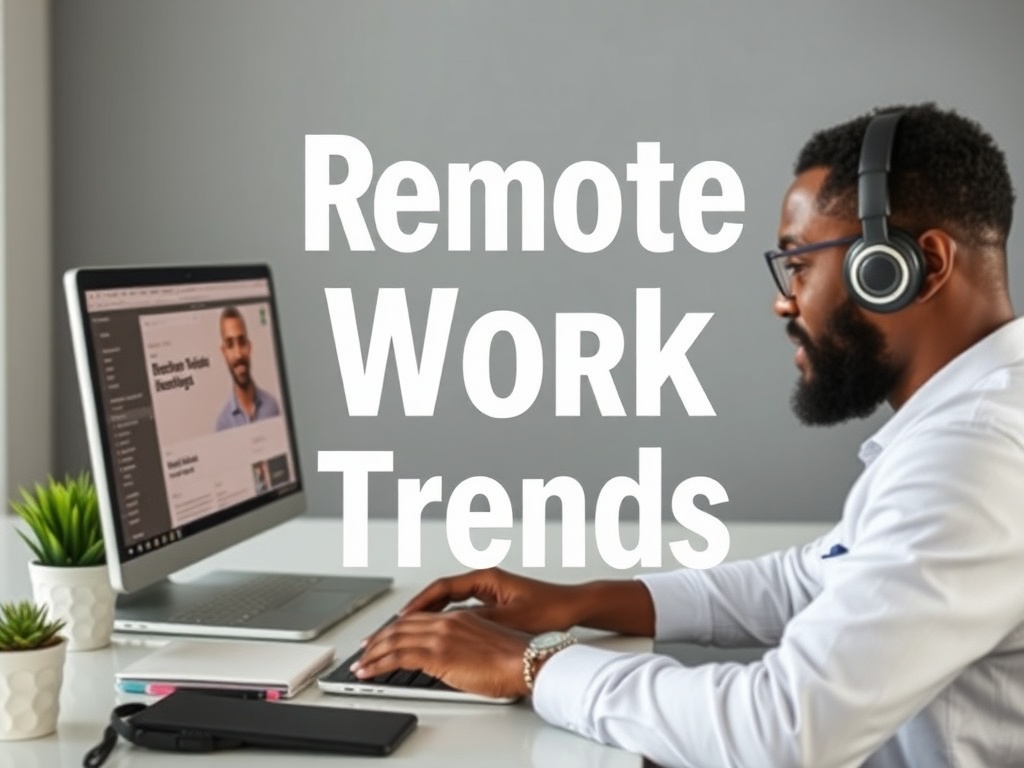
Remote work trends continue to reshape how organizations recruit, collaborate, and measure success. As teams spread across time zones and home offices, the emphasis shifts from where work happens to how results are delivered. Understanding the most impactful trends helps leaders and professionals stay productive, secure, and competitive.
What’s shaping remote work now
– Hybrid and flexible schedules: Many organizations balance office presence with remote days, letting teams design schedules that optimize collaboration and deep work. Flexibility around start and end times supports diverse lifestyles and boosts retention.
– Asynchronous communication: Teams increasingly rely on asynchronous tools and norms to reduce meeting overload and respect time-zone differences. Clear documentation, recorded updates, and written decision logs become central to smooth workflows.
– Outcome-driven performance: Managers are moving away from time-based monitoring toward measurable outcomes. Goal-setting frameworks and regular check-ins emphasize deliverables, quality, and impact rather than hours logged.
– Distributed talent pools: Remote hiring opens access to global talent, enabling competitive advantages and cost optimization. Employers must adapt hiring, payroll, tax compliance, and benefits to support a distributed workforce.
– Focus on employee experience: Hybrid perks are shifting from office snacks to home-office stipends, wellness programs, and mental health support.
Retention depends on clear career paths, inclusive culture, and equitable access to opportunities for remote employees.
– Security and privacy: Remote endpoints create new attack surfaces. Zero-trust architectures, multifactor authentication, device management, and secure collaboration platforms are becoming standard safeguards.
– Reimagined workspaces: Rather than full-time offices, many organizations invest in flexible workspaces, meeting hubs, or memberships with co-working providers for occasional in-person collaboration.
Tools and processes that matter
Reliable collaboration platforms, project management systems, and knowledge bases are the backbone of effective remote teams. Consolidating tools reduces cognitive load; establishing naming conventions and single sources of truth prevents information silos. Recording decisions and meeting summaries ensures transparency for those who can’t attend live sessions.
Onboarding and learning remotely
Effective remote onboarding integrates role clarity, connection to teammates, and hands-on training. Pairing new hires with mentors, creating onboarding checklists, and scheduling social touchpoints accelerate ramp-up. Continuous learning via microlearning modules and accessible learning libraries keeps skills current across distributed teams.
Security and compliance tips
Adopt least-privilege access and conditional controls to protect sensitive systems.
Regular security awareness training tailored to remote scenarios reduces phishing and credential risks. When hiring across jurisdictions, consult specialists for payroll, tax, and labor-law compliance to avoid costly missteps.
Practical steps for teams
– Set communication norms: Define which channels are for async updates, urgent matters, or brainstorming.
– Limit meetings: Use agendas, time-boxed sessions, and clear outcomes to make meetings efficient.
– Invest in home-office ergonomics: Stipends for desks, chairs, and monitors improve comfort and productivity.
– Measure outcomes, not activity: Track project milestones, customer impact, and quality metrics.
– Prioritize wellbeing: Encourage boundaries, vacation usage, and mental-health resources.
Why organizations should act now
Adapting to these trends isn’t just about technology; it’s about culture and systems that support a diverse, distributed workforce. Companies that refine remote practices improve hiring reach, employee satisfaction, and resilience. Individuals who master asynchronous collaboration, communication clarity, and self-management position themselves well for evolving career opportunities.
As remote work continues to evolve, staying deliberate about processes, security, and employee experience will determine which teams thrive in a more flexible, distributed world.
Leave a Reply