Small shifts in habits and setup can deliver outsized gains in office productivity. Whether working from a shared office, a home hub, or a hybrid mix, practical systems — not willpower alone — keep focus high, meetings tight, and output consistent.
Design your day around focus blocks
Create blocks of uninterrupted time for deep work and protect them like meetings. Use calendar blocks labeled with the type of work (e.g., “Strategic,” “Creative,” “Admin”) so colleagues know when you’re unavailable. Shorter blocks work well for high-variation tasks; longer blocks are best for complex projects that need momentum. Pair blocks with a two- to five-minute transition ritual — stretch, refill water, review the next steps — to shift gears more effectively.
Tame email and messaging overload
Treat email like a task list, not a continuous inbox. Check messages at scheduled times (e.g., twice to three times a day) and use folders, flags, and short templates for common replies. For chat tools, set status indicators and use threads and channels to keep topic-based conversations organized. Encourage teammates to use subject line prefixes or tags for urgency and action (e.g., “Action:”, “FYI:”, “Decision:”).
Make meetings a productivity engine, not a drain
Create a meeting triage habit: default to a 15- or 30-minute duration, include a clear agenda and desired outcome, and invite only essential participants. Start with 1–2 quick decisions or updates to build momentum, and end with assigned next steps and owners. If a meeting is information-only, consider a short written update instead — many updates don’t require synchronous time.
Lean on automation and templates
Identify repetitive tasks that can be templated or automated: recurring reports, onboarding checklists, expense approvals, and standard email replies. Workflow automation platforms and built-in app automations can handle handoffs and reminders, freeing time for higher-value work. Keep templates up to date and easy to access so they don’t become digital clutter.
Optimize your tools and workspace
Consolidate tools where possible to reduce context switching.
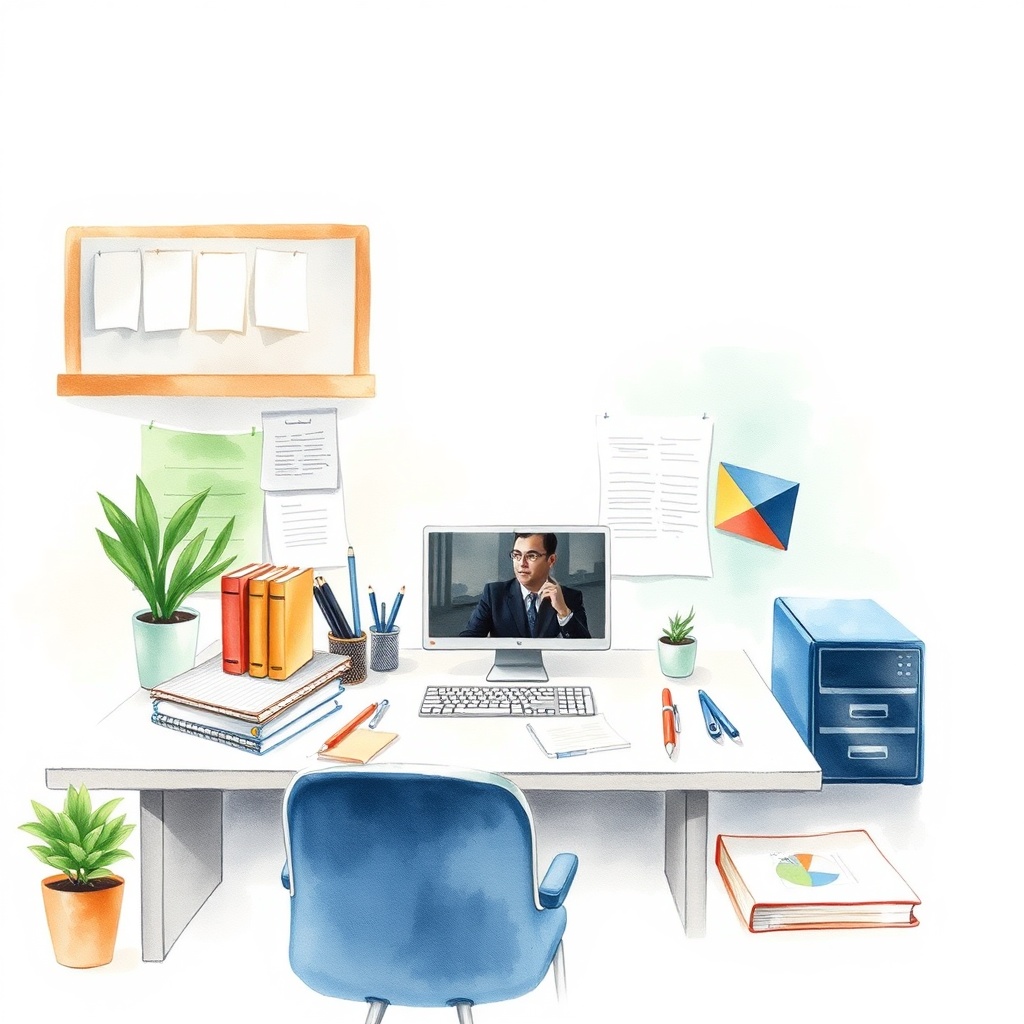
Use integrations between calendar, task, and document tools so information flows instead of being duplicated. Curate a minimal, distraction-free workspace — a clean desk, a second monitor for reference material, and a task list visible at the start of each block. Small hardware comforts, like a comfortable chair and proper lighting, reduce fatigue and improve consistency.
Prioritize outcomes, not hours
Shift from measuring effort by time spent to measuring results produced. Set clear, measurable goals for projects and communicate them within the team.
Regularly review progress in short check-ins, celebrate small wins, and realign priorities as needed. This outcome-driven mindset improves motivation and ensures work aligns with the highest-impact activities.
Build focus habits that stick
Simple habits compound. Start the day by identifying the top three priorities, practice single-tasking during focus blocks, and use brief breaks to reset attention. Techniques like the Pomodoro method or time-boxed sprints can help sustain energy for demanding work. Track how you spend time for a week to spot patterns and eliminate low-value activities.
Foster a culture of clarity and autonomy
Teams that share clear expectations, documentation, and decision rights waste less time seeking approvals. Create a single source of truth for project plans and responsibilities, and empower people to make decisions within defined boundaries. Autonomy paired with clarity reduces bottlenecks and speeds execution.
Small process changes, intentional tool use, and habits that protect focus transform how much gets done each day. Start with one or two adjustments, measure the impact, and scale what works across the team to build a more productive, less stressful work environment.
Leave a Reply