Small changes to daily routines and smarter use of tools deliver the biggest gains in office productivity. Whether working in an office, hybrid environment, or fully remote, these practical strategies help maintain focus, reduce friction, and free time for higher-value work.
Design your workday for focus
– Time blocking: Reserve dedicated blocks on your calendar for deep work and treat them as unbreakable appointments. Protect these blocks from meetings and low-value tasks.
– Use focused sprints: Work in concentrated intervals (e.g., 45–90 minutes) followed by short breaks to sustain attention and avoid burnout.
– Schedule decision-free zones: Set times to handle routine decisions (email triage, approvals) so they don’t interrupt creative or strategic tasks.
Make meetings meaningful
– Limit attendees and set clear agendas. Only invite people whose presence is essential and include a concise objective and action items.
– Adopt meeting roles: facilitator, timekeeper, and notetaker to keep discussions efficient and outcomes clear.
– Prefer asynchronous updates for status reporting. Sharing brief written updates prevents recurring status meetings and respects focused work time.
Streamline communication
– Consolidate channels: Reduce context switching by standardizing where different types of messages belong (e.g., urgent chat for quick questions, email for external communication, shared documents for project collaboration).
– Set expectations: Communicate typical response windows and encourage teammates to mark messages as high priority only when truly urgent.
– Use templates: Save time with canned responses for common requests and meeting agendas.
Automate repetitive work
– Identify recurring manual tasks and connect apps with automation platforms or built-in workflows to pass data, create tasks, or update records automatically.
– Use templates and macros for documents, reports, and email sequences to reduce repetitive formatting and manual entry.
– Automate reminders and follow-ups to keep projects moving without micromanagement.
Create a single source of truth
– Store project plans, specs, and documents in a centralized, searchable location with clear naming and versioning rules.
– Assign ownership and permissions to avoid duplicate files and confusion about the latest version.
– Use checklists and status fields in project tools so anyone can see current priorities at a glance.
Optimize your workspace and habits
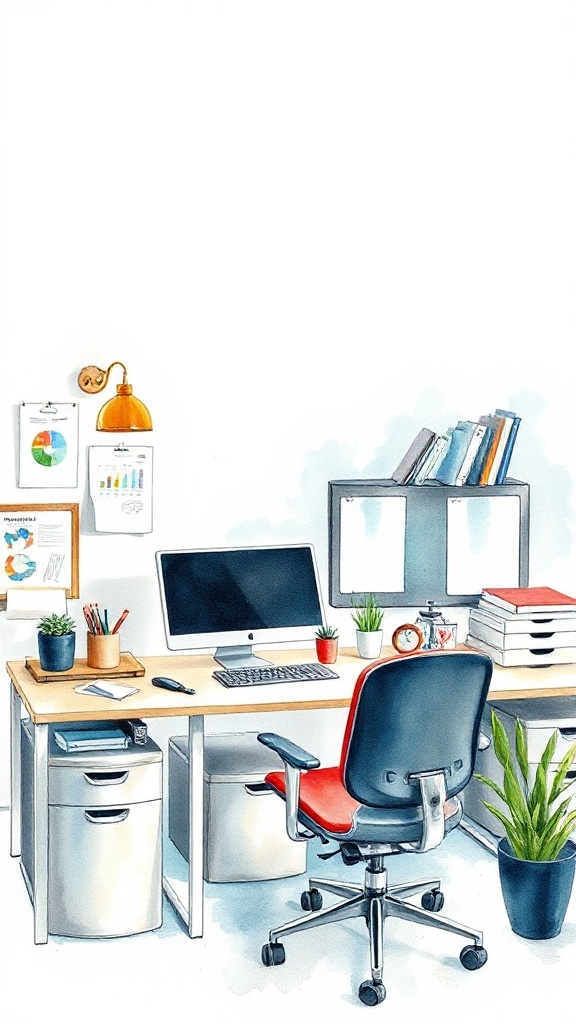
– Declutter digital and physical workspaces: Archive old files, delete redundant apps, and keep only the tools you actively use.
– Reduce notifications: Turn off nonessential alerts during focus blocks and consolidate information into daily summaries.
– Ergonomics and small rituals: A comfortable setup, a quick stretch routine, and a consistent start-of-day ritual can improve concentration and energy.
Measure and iterate
– Track time spent by task category for a few weeks to identify where improvements will have the most impact.
– Run short experiments—shorter meetings, no-notification windows, or a new automation—and measure effects on output and team satisfaction.
– Gather regular feedback from teammates to refine processes that slow people down.
Getting started
Pick one bottleneck—meetings, email overload, or repetitive manual work—and apply two targeted changes this week: implement a meeting agenda template, set a daily two-hour focus block, or automate a repetitive task. Small, consistent improvements compound quickly and create a more productive, less stressful work environment.
Leave a Reply