Reclaim Focus: Simple Habits to Boost Office Productivity
Office productivity often comes down to how well you protect focused time, reduce friction, and make meetings and tools serve work instead of interrupting it.
Small, repeatable changes to routines and the workspace deliver outsized gains. Here are practical, actionable strategies you can implement right away.
Design your day for deep work
– Identify your Most Important Tasks (MITs): choose one to three high-impact tasks to finish before checking email or social apps. Completing MITs first shifts momentum and reduces decision fatigue.
– Time block your calendar: schedule uninterrupted blocks for deep work. Treat them like nonnegotiable meetings and label them clearly (e.g., “Focus—Draft Report”).
– Use focus sprints: work in 45–90 minute sprints followed by short breaks. This rhythm supports sustained attention and prevents burnout.
Tame digital distractions
– Turn on “Do Not Disturb” and set notification rules: allow alerts only from priority contacts during focus blocks.
Silence everything else.
– Batch email and messaging: check messages two or three times daily instead of reacting constantly.
Use quick templates for common responses to speed triage.
– Minimize visual clutter: keep a single, prioritized task list and remove redundant apps or overlapping tools that fragment attention.
Make meetings meaningful
– Share agendas and outcomes in advance: a brief agenda with expected decisions or deliverables keeps meetings focused and small.
– Limit attendee lists and timeboxes: invite only people who must act or decide and set strict end times. Consider stand-up or walking meetings to keep energy high.
– End with clear next steps: assign owners, deadlines, and follow-up channels so meetings drive progress rather than create work.
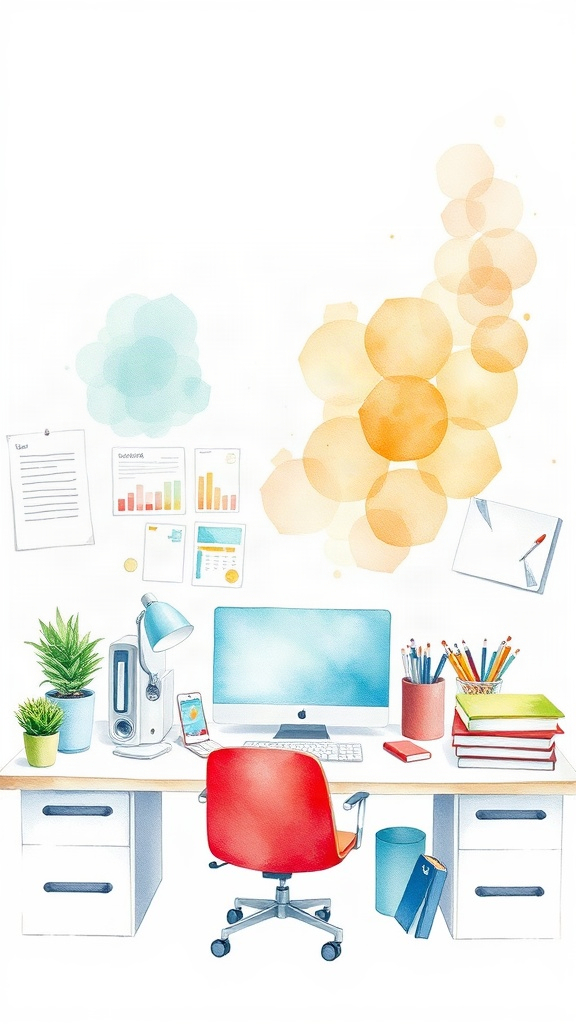
Optimize your workspace
– Clear the physical desktop: a tidy, dedicated workspace reduces cognitive load. Keep only the tools you use each day within reach.
– Invest in ergonomics: a comfortable chair, proper monitor height, and a keyboard that suits your hands reduce fatigue and repetitive strain, improving sustained output.
– Use ambient controls: noise-cancelling headphones, natural light, and plants can boost focus and mood, while consistent temperature and lighting reduce small distractions.
Streamline processes and automate
– Standardize recurring tasks: build templates for reports, meeting notes, and onboarding checklists so work doesn’t start from scratch each time.
– Automate repetitive workflows: use simple automation for calendar scheduling, file organization, and routine notifications to cut manual handoffs.
– Limit context switching: group similar tasks (calls, writing, review) into blocks so the brain doesn’t constantly reorient.
Measure what matters
– Track focused hours, not just busy time: log the hours spent in distraction-free work to see real progress on high-value tasks.
– Monitor meeting time vs. output: measure the percentage of time spent in meetings and compare it to the number of decisions or deliverables they produce.
– Review weekly wins: a short weekly reflection helps identify bottlenecks and tune processes before small problems compound.
Start small: choose two changes—such as one focus block per day and a single weekly meeting reduction—and commit to them for a few cycles. Those habits compound quickly, freeing time for meaningful work and reducing the mental overhead that cranks down productivity.
Leave a Reply